Resin flooring
in Bristol
Around Filton, aerospace work needs clean, controlled floors, while in Clifton and Bedminster the questions are about kitchens and cellars.
Bristol
Industrial and polyurethane floors in Bristol
Bristol grew around its harbour on the Avon, and the old docks in the centre are now the Harbourside, with warehouses turned into flats, offices, bars and museums. Shipping moved out to Avonmouth and Portbury. North of the city, Filton and Patchway have a long history of aircraft building, and aerospace engineering still employs many people there. The M4 and M5 meet north of Bristol.
A resin floor is poured seamlessly and wiped clean with a mop. It can go onto concrete or a sand and cement or anhydrite screed, once the base has been ground, primed and levelled. We pass enquiries from Bristol, Bath and North Somerset to a flooring company in the area, which offers a site survey where needed, writes the quote and carries out the job. The enquiry form is the place to start.
We also take enquiries from the surrounding area, for example from Bath, Keynsham, Portishead, Clevedon and Weston-super-Mare.
Who carries out the work?
We pass your enquiry on to a partner flooring company in your area, which prepares the quote and carries out the work. We’ll let you know whether we have a partner for you.
Aerospace and clean production around Filton
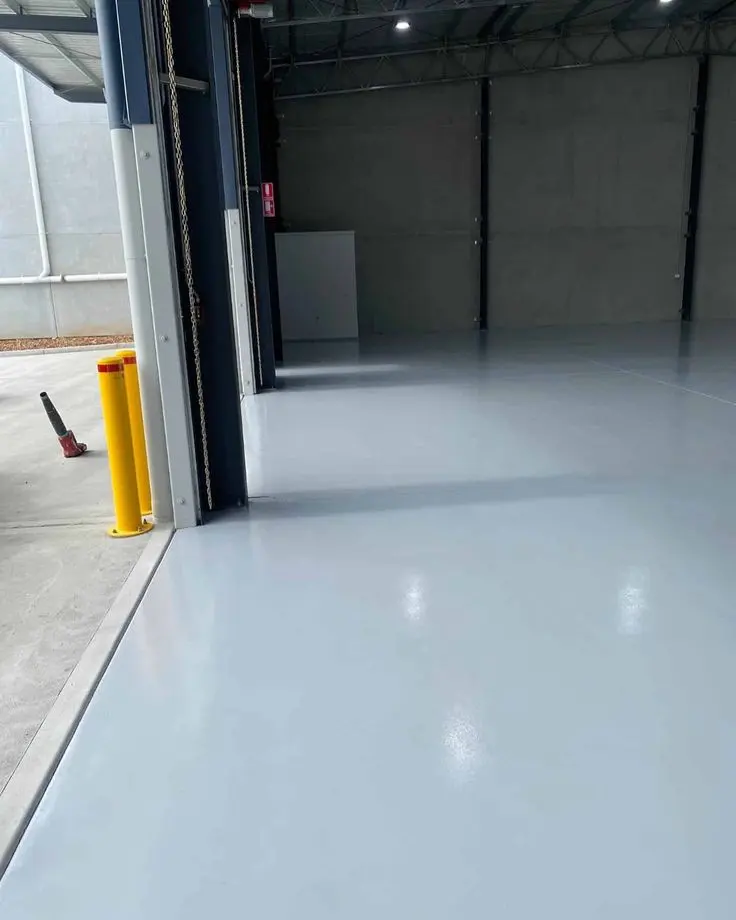
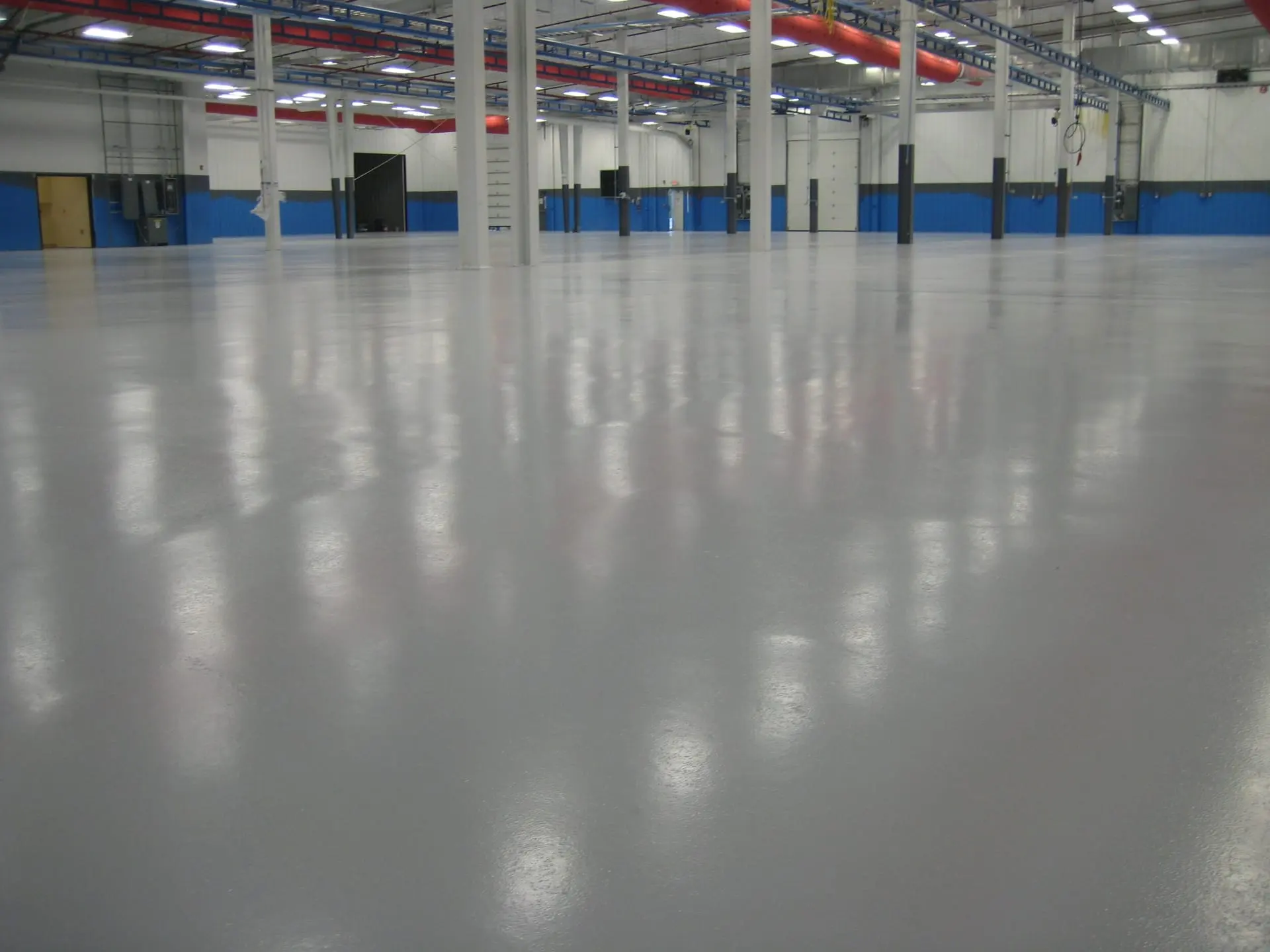
Workshops and assembly halls in the aerospace supply chain around Filton and Patchway handle electronics, composites and precision parts. Static from people and trolleys can damage sensitive components, so an ESD (anti-static) floor conducts the charge away to an earth point. In clean production areas, an epoxy floor seals the pores of the concrete, gives off no dust and wipes down easily. Where pallet trucks and forklifts run, the industrial flooring is built up thicker to take the load.
Harbourside flats and Victorian homes in Clifton and Bedminster
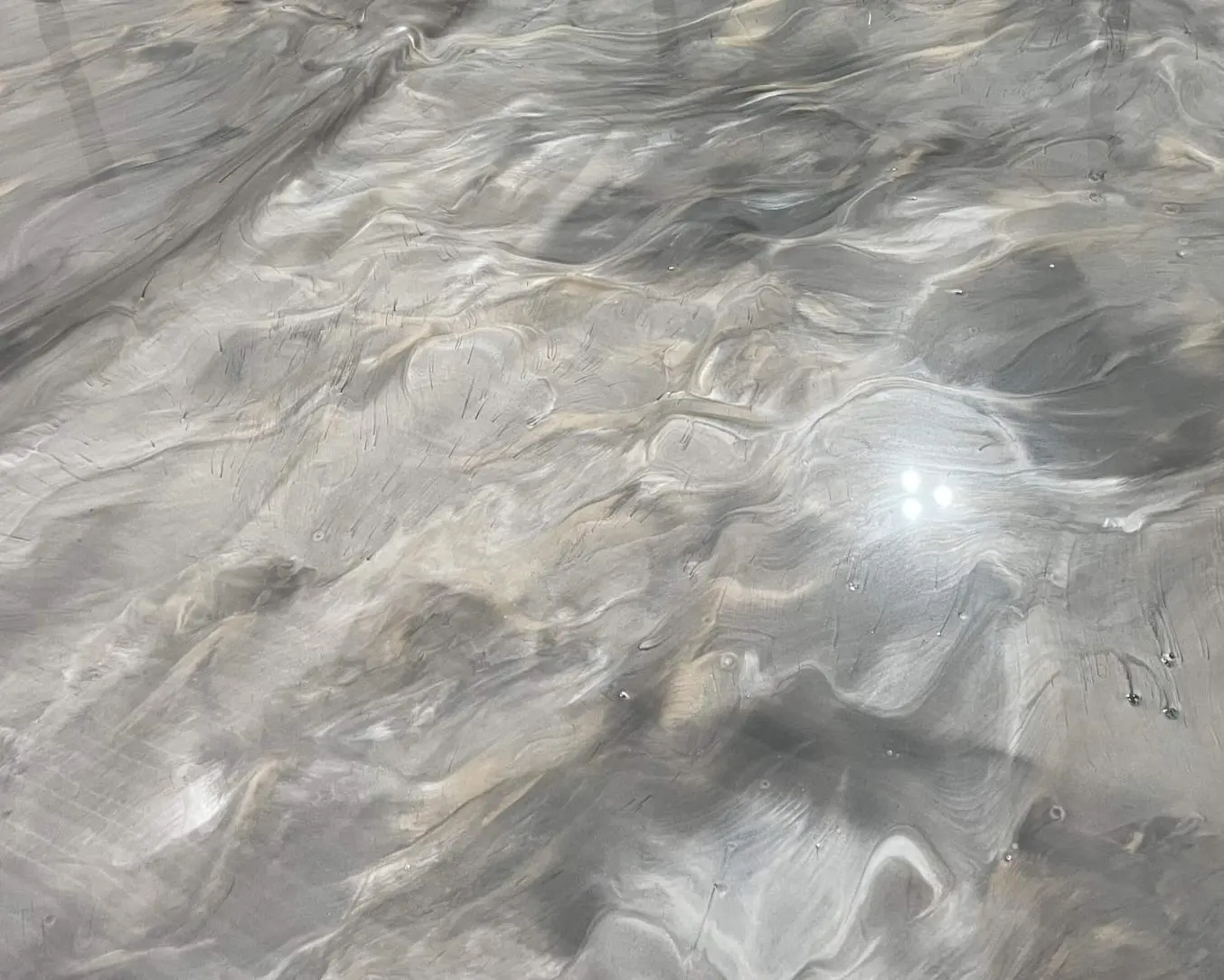
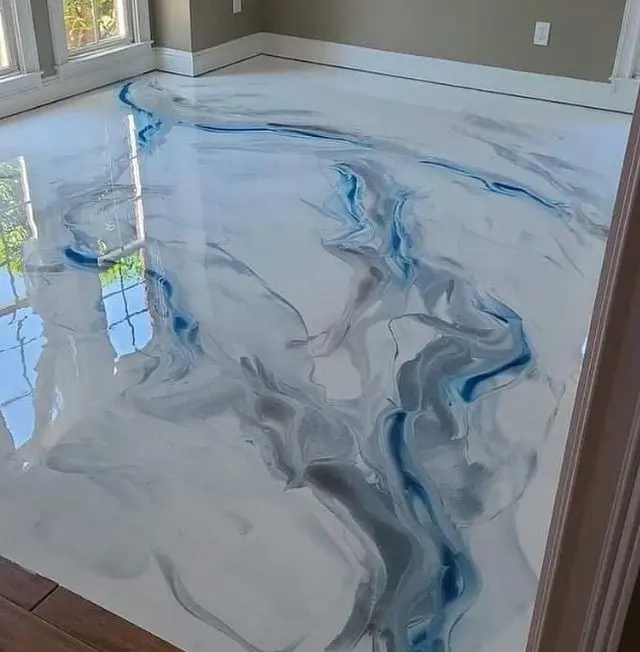
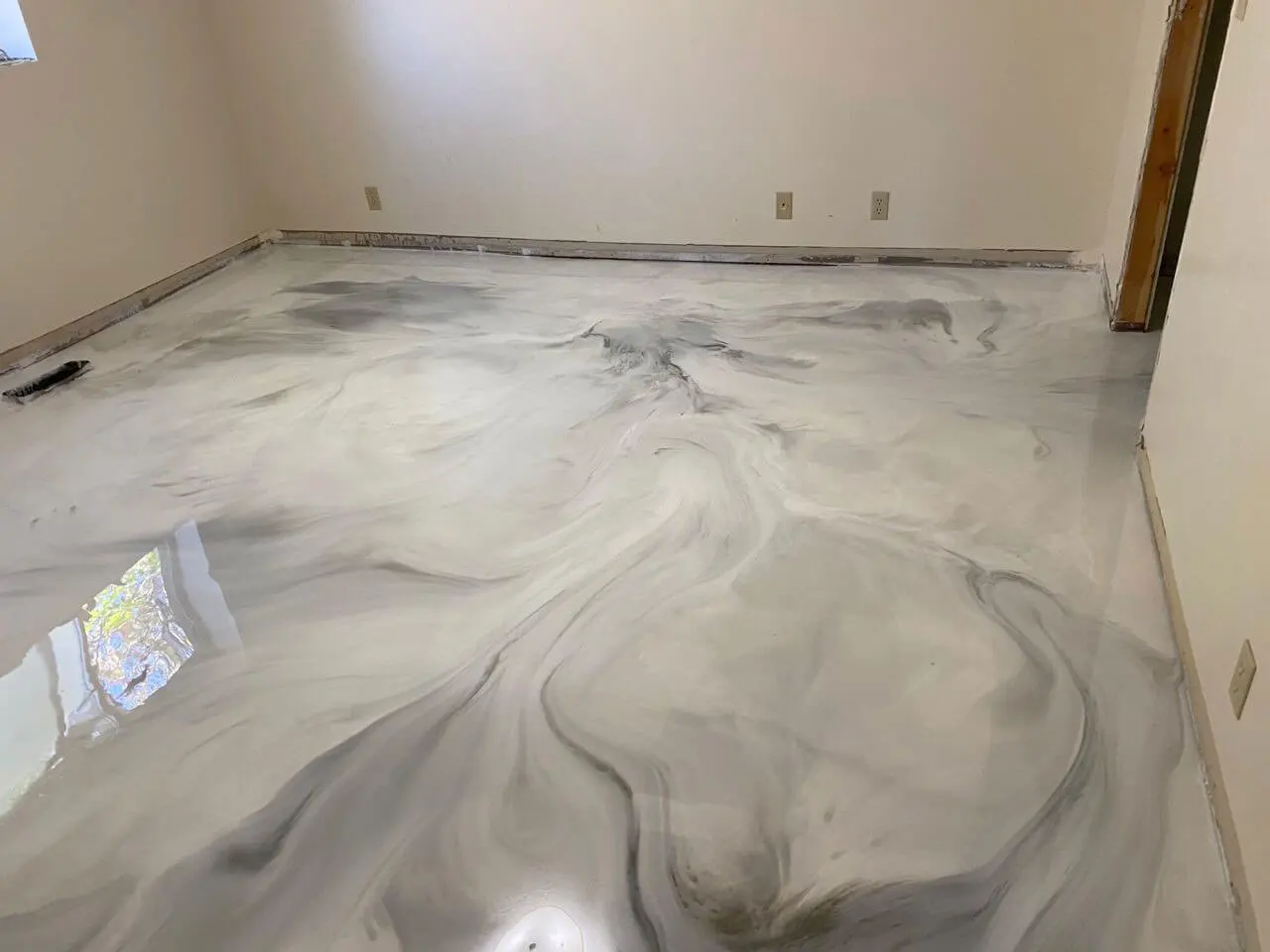
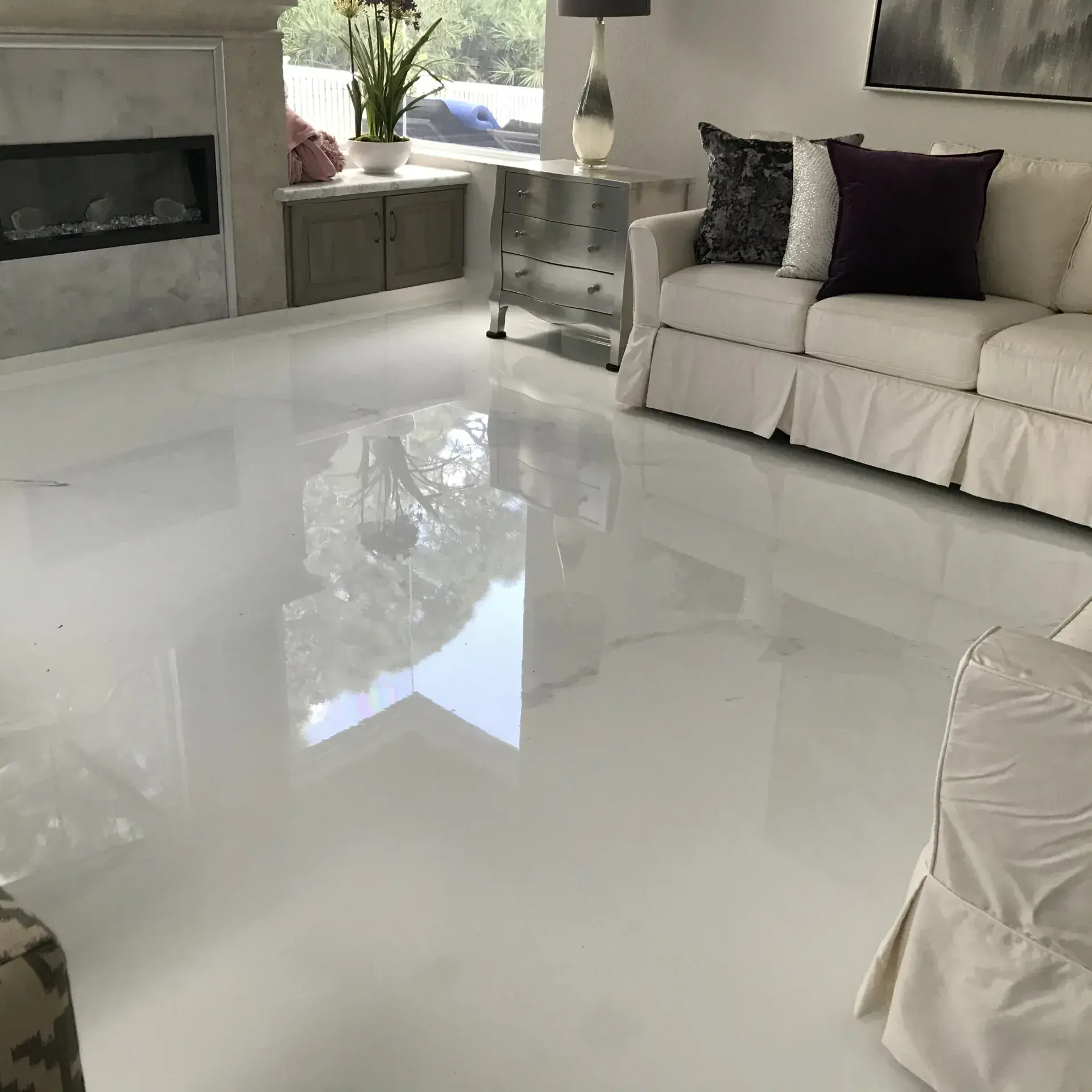
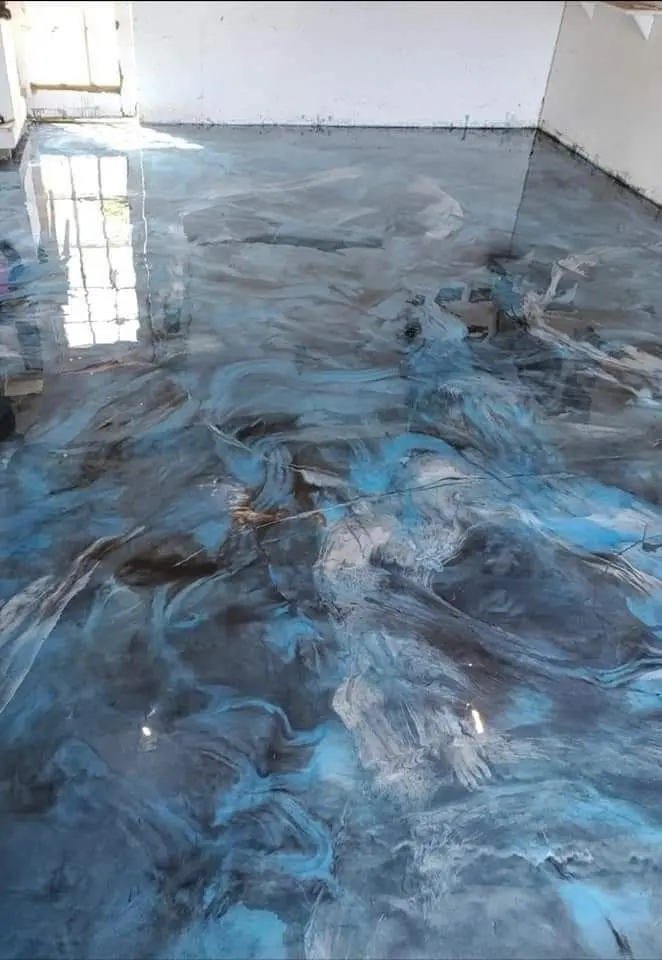
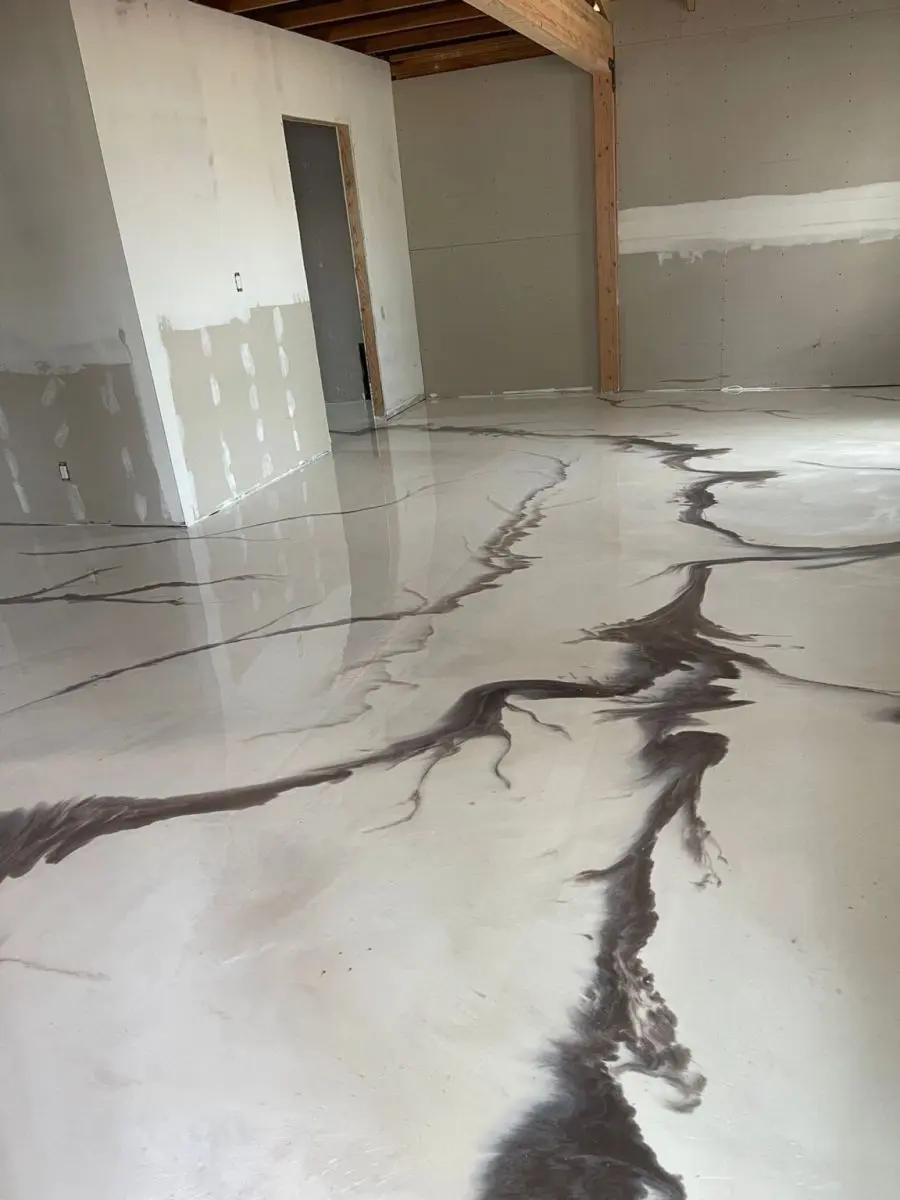
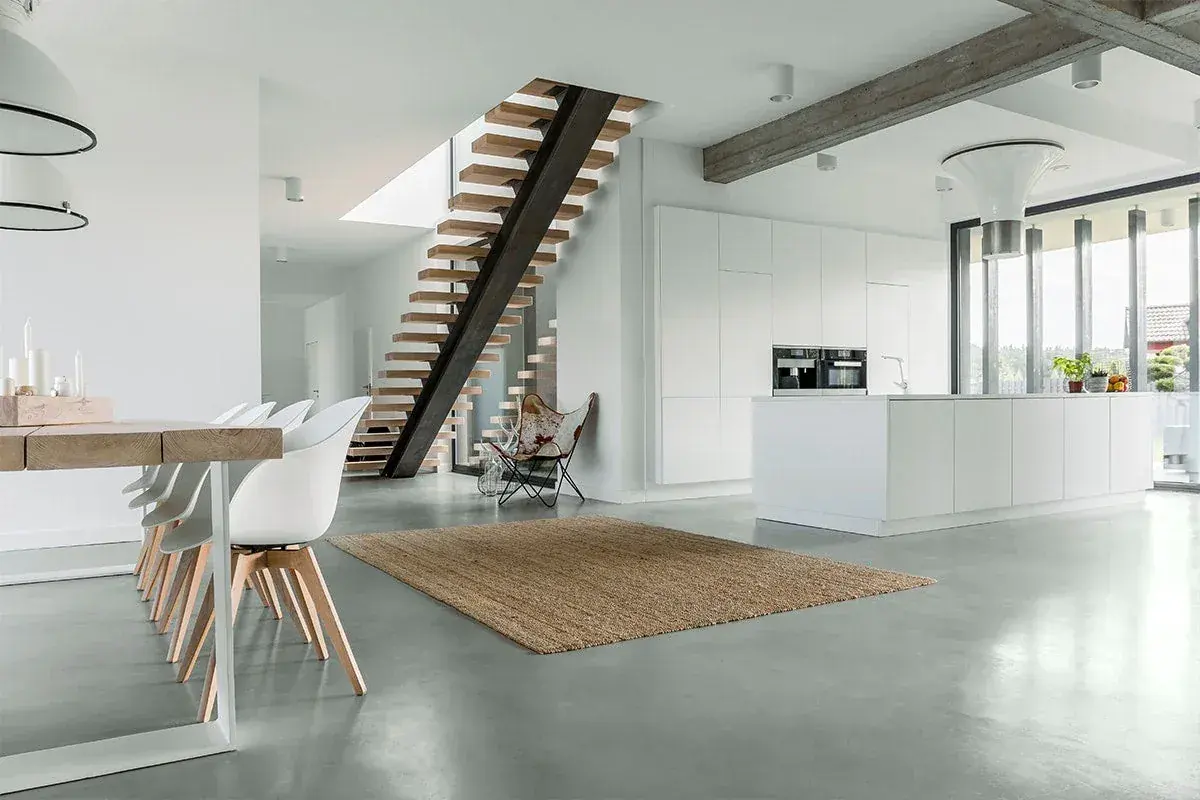
Flats in converted warehouses around the Floating Harbour often have large windows over the water, and in that light polyurethane makes more sense than epoxy because it handles UV better. In Clifton and Bedminster, Georgian and Victorian houses are often refitted room by room, and the kitchen is a common place to start. A marble-effect floor with veining drawn by hand suits a kitchen or a bathroom, and each one turns out different.



Real experiences.
Frequently asked questions about resin flooring in Bristol
Can a Victorian cellar in Bristol become a usable room with a resin floor?
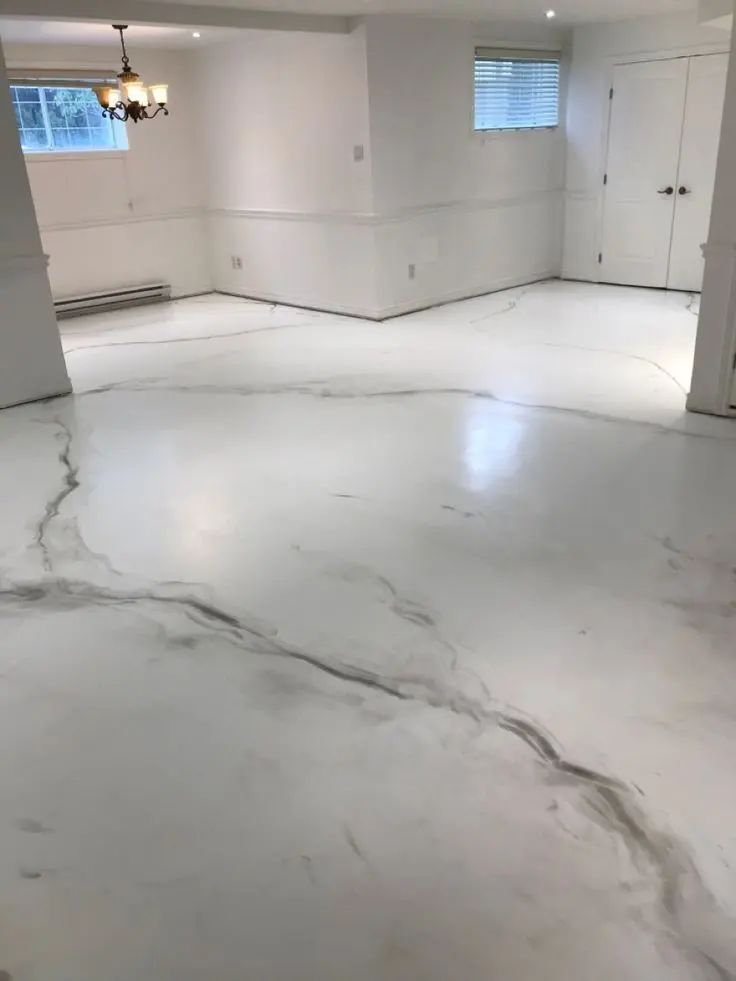
Often it can, once the floor and walls are dry and the cause of any damp has been dealt with. The concrete is then ground, filled and primed. A flake floor hides dust and small marks, so it suits a cellar used as a utility room, a store or a workshop.
What details should I include in an enquiry from Bristol or Bath?
The floor area, the current surface (concrete, screed, tiles or timber), what the room is used for and any cracks or damp. For a home, say whether your rooms get strong sun; for a workshop, describe the vehicles and loads on the floor.
Which floor would suit an office, a school or a museum in Bristol?
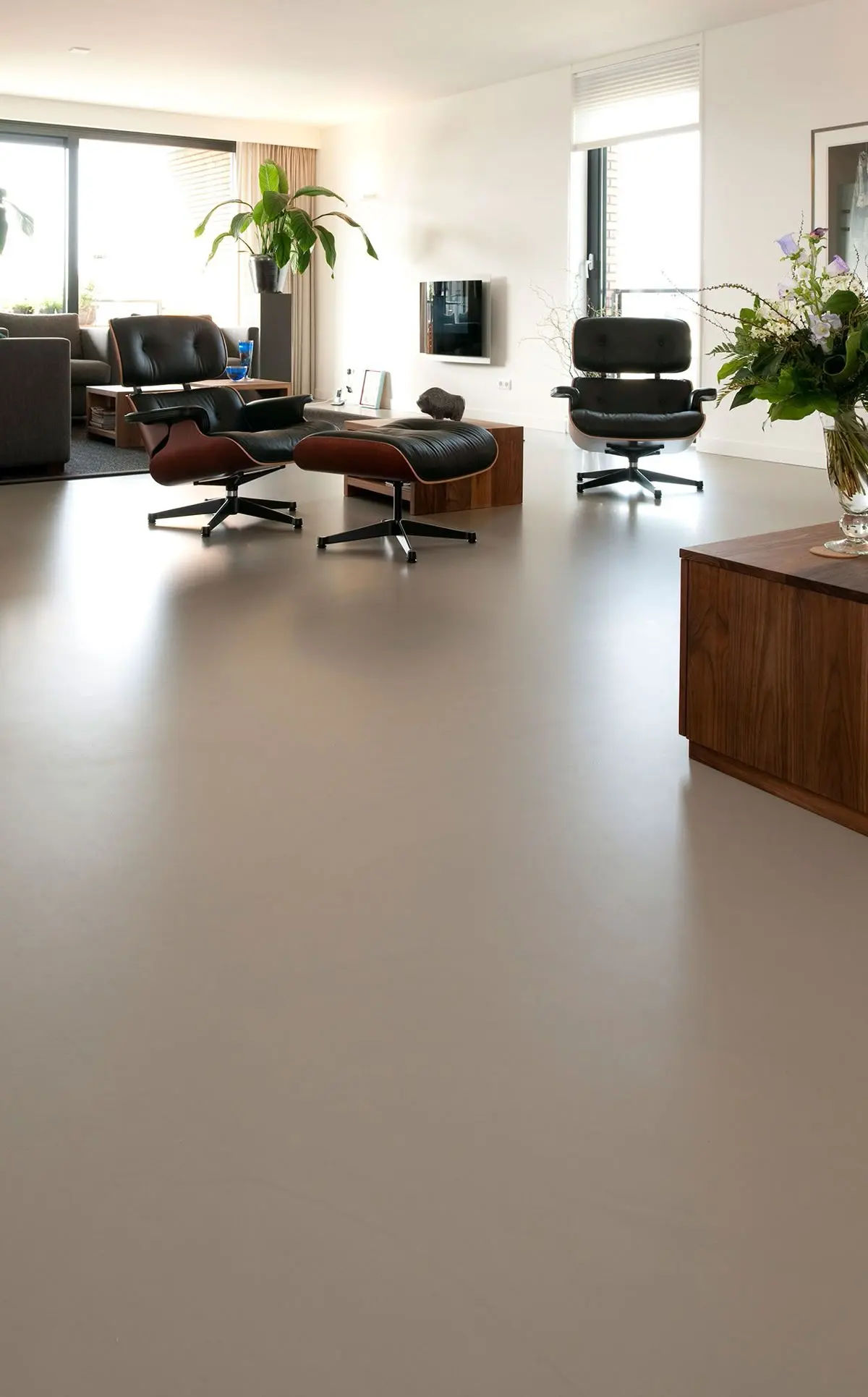
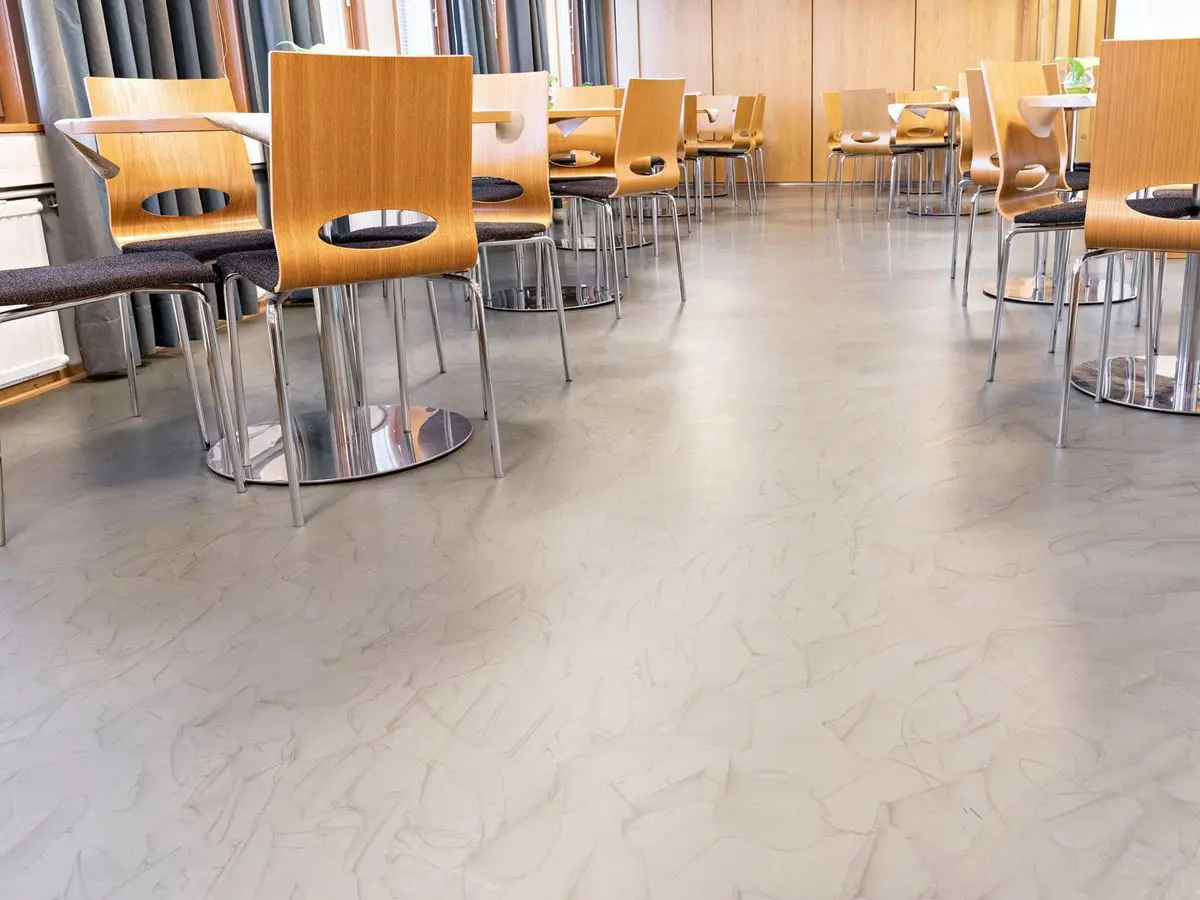
Velura is a flexible poured polyurethane floor for indoor spaces such as offices, shops, schools and museums. It yields a little underfoot, and its silky matt surface carries a faint pattern in one tone. The base must be flat, firm and dry, and a levelling layer goes on before it.
Resin flooring in other towns and cities
London Manchester Newcastle upon Tyne Birmingham Glasgow Liverpool Leicester Nottingham Leeds Belfast York Hull See all towns and cities
Planning a resin floor in Bristol?
Tell us the floor area, the substrate and what the space is used for. We pass your enquiry on to a flooring company in your area and let you know whether we have a partner for you.