
Resin flooring
in Nottingham
Beneath the old town lies soft sandstone with man-made caves and cellars, while the universities and hospitals add labs and research rooms.
Nottinghamshire
Industrial and polyurethane floors in Nottingham
Nottingham’s old centre stands on sandstone, and people have cut caves and cellars into it for centuries, many of them under pubs, shops and houses. Around Stoney Street and High Pavement, the tall brick warehouses where lace was once stored and sold are now mostly flats, offices and college buildings. The city also has two universities and large teaching hospitals, and the M1 passes to the west.
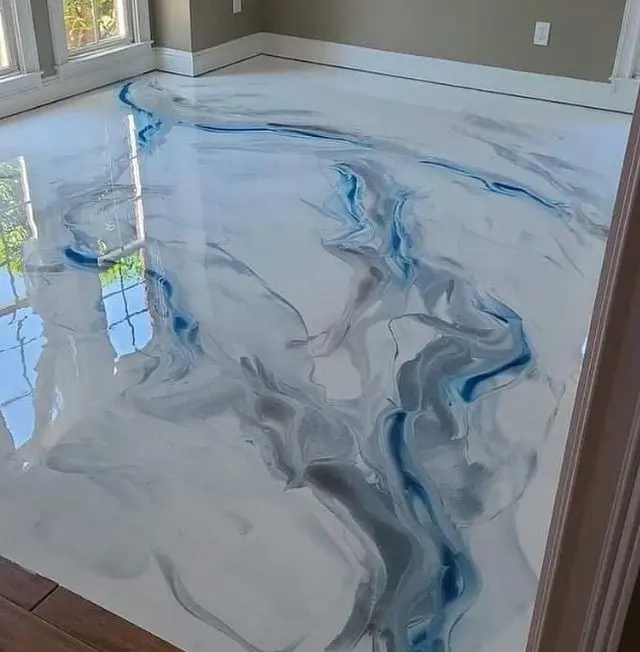
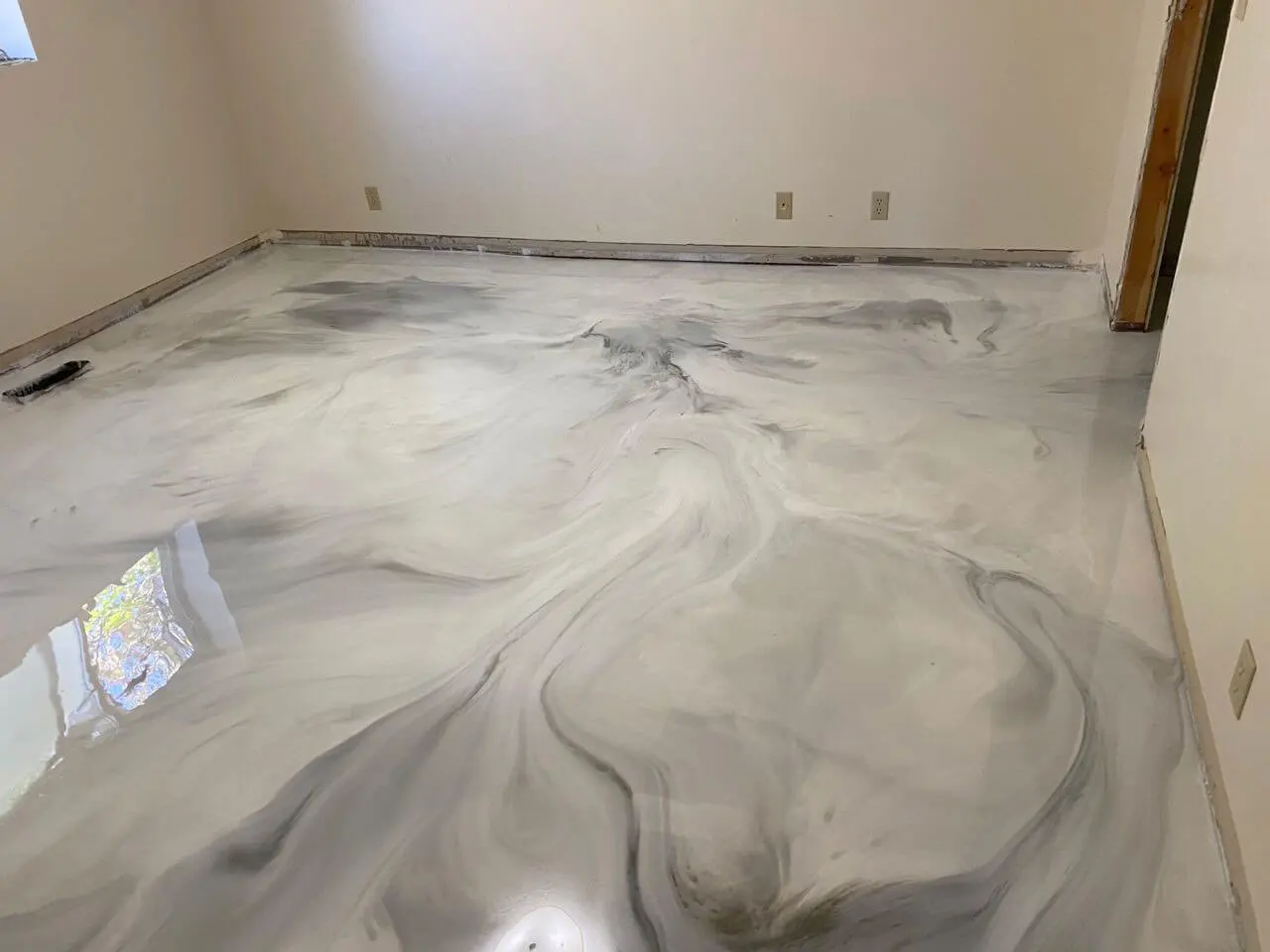
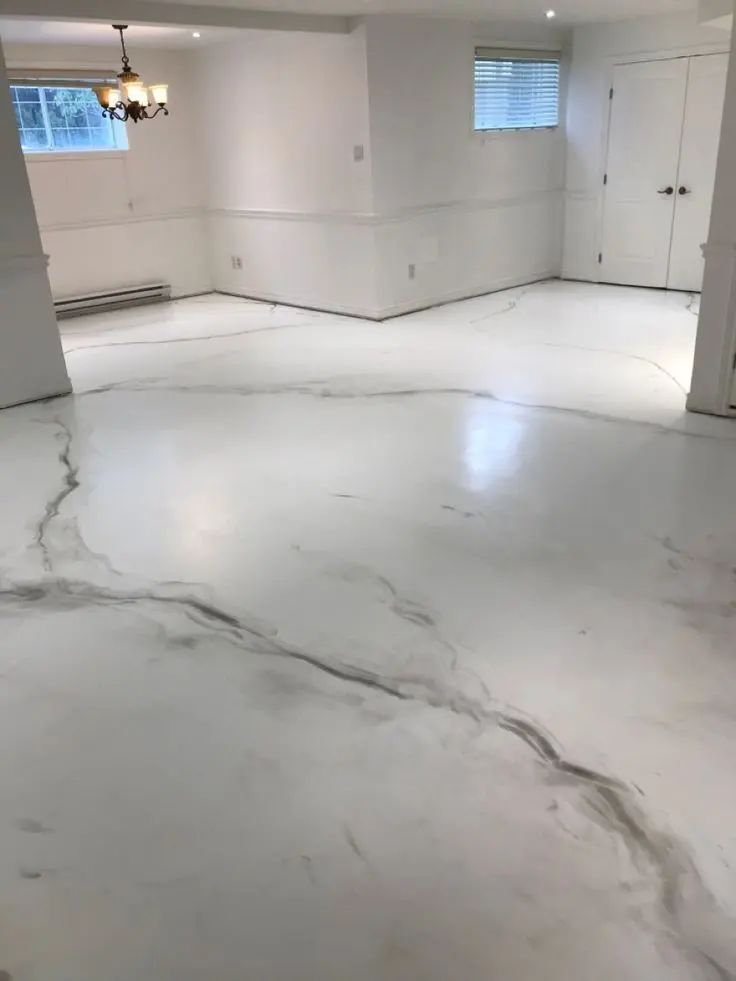
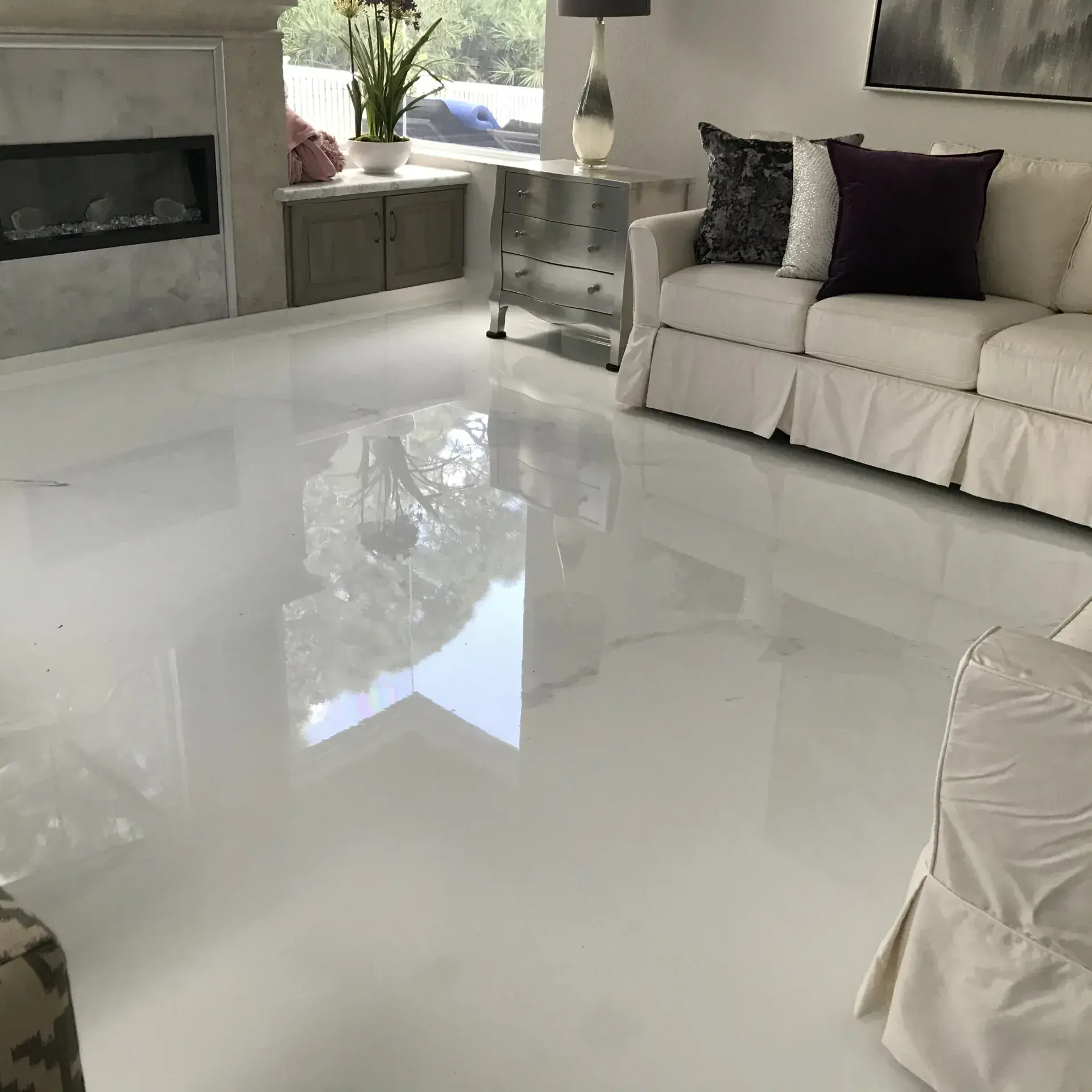
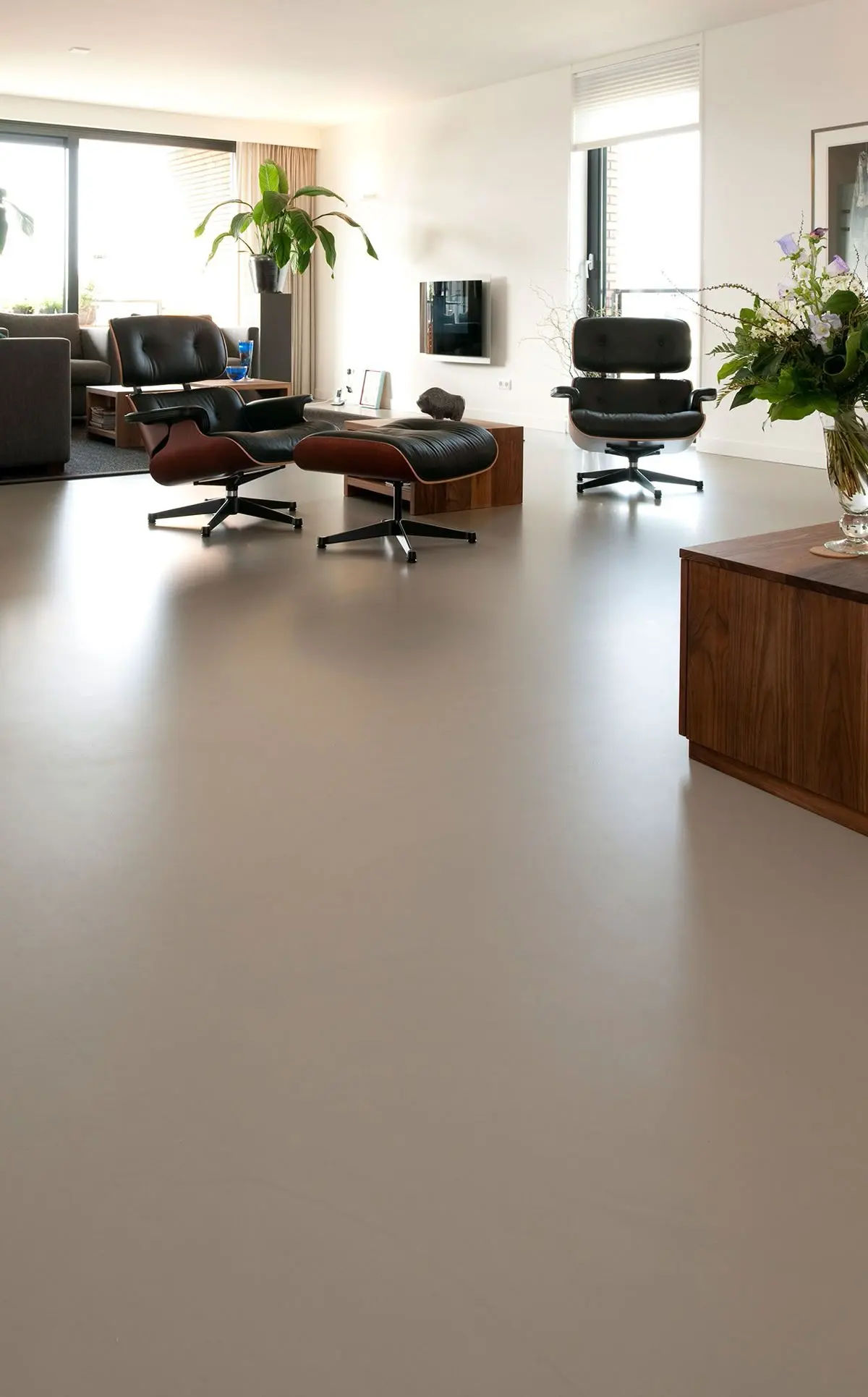
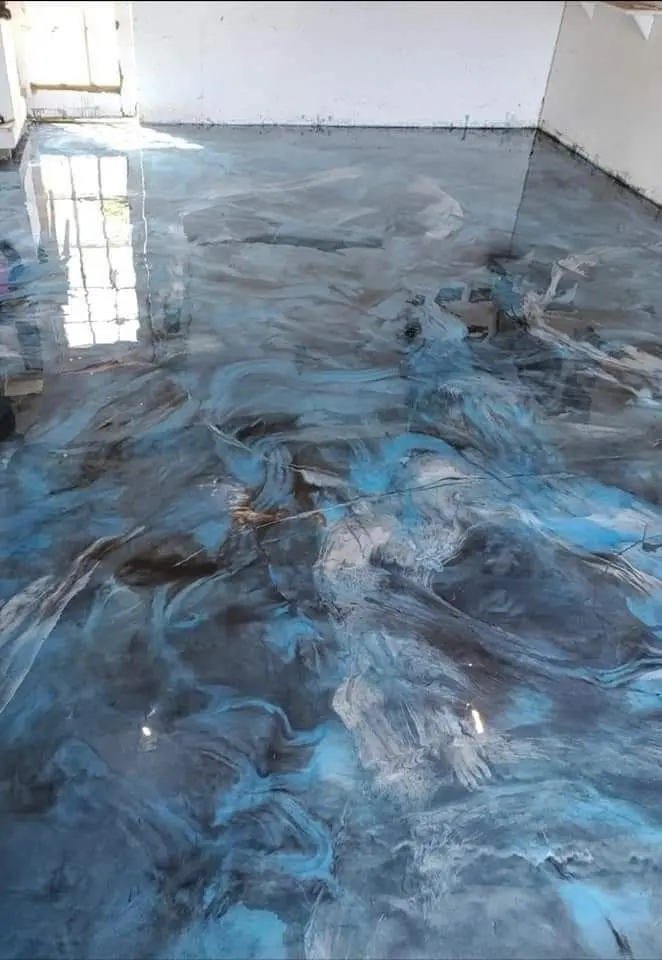
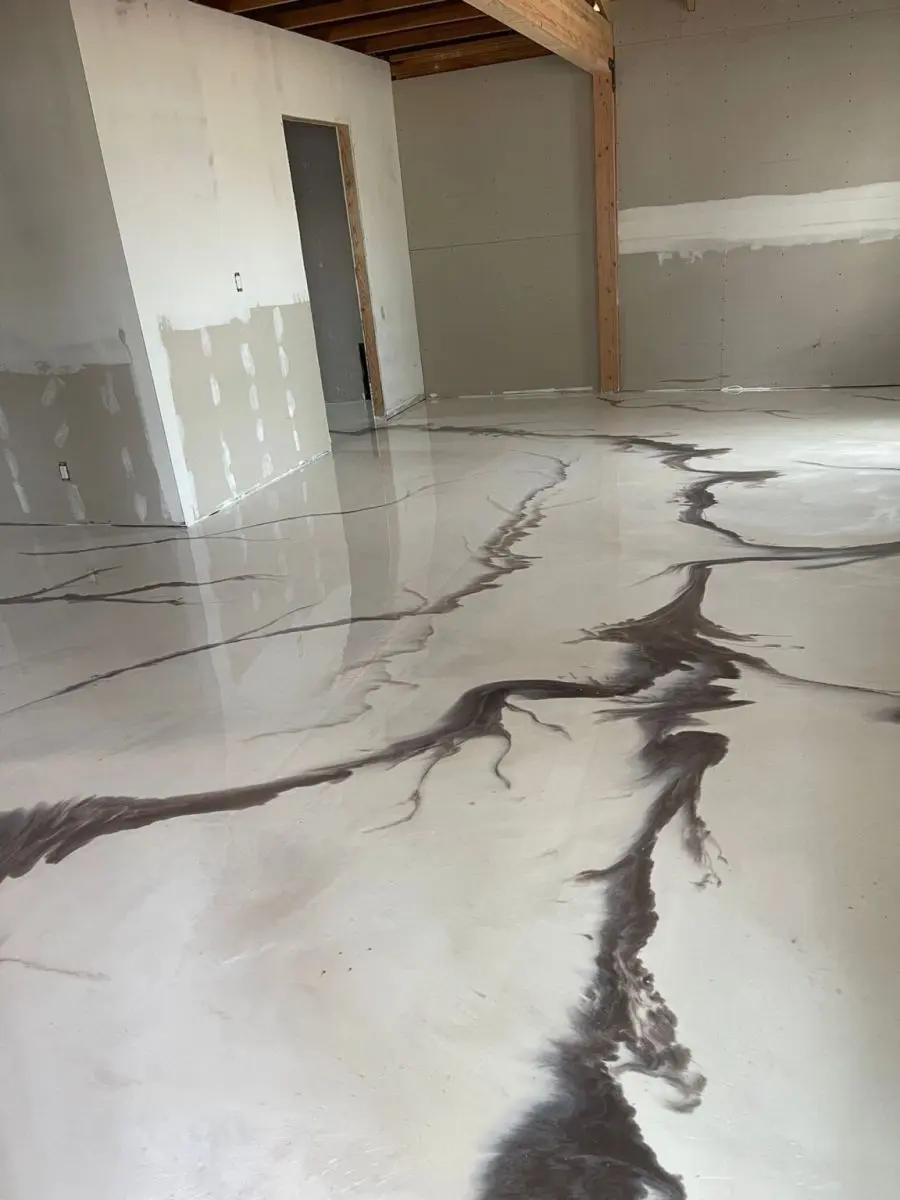
Any resin floor here starts with the base underneath: concrete or screed is diamond ground, primed and levelled where it is uneven. The photos in our work show floors poured by EPOXIDOVO crews outside the UK. If you send us an enquiry from Nottingham, Beeston or Arnold, we pass it to a flooring company from the region, which arranges a site survey when needed, then quotes and does the work.
We also take enquiries from the surrounding area, for example from Beeston, West Bridgford, Arnold, Long Eaton and Hucknall.
Who carries out the work?
We pass your enquiry on to a partner flooring company in your area, which prepares the quote and carries out the work. We’ll let you know whether we have a partner for you.
Old lace warehouses turned into flats and offices
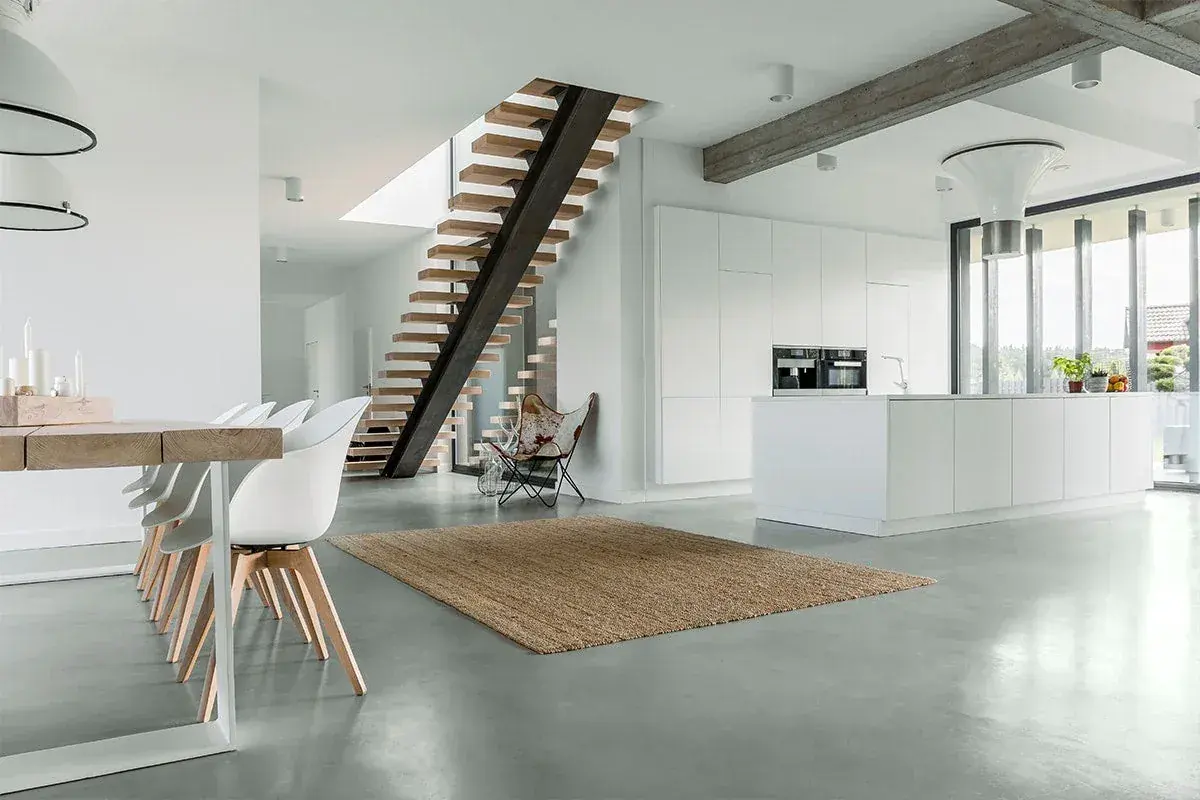
A converted lace warehouse often has high ceilings, tall windows and old floors patched over the years. Those patches are ground back and loose screed broken out, so the primer has something sound to grip. In flats and offices, polyurethane is the sensible choice, being more flexible than epoxy and better with UV from those windows. A concrete-look floor keeps the industrial feel of the brick without joints, pores or dust, and a ground-floor bar may prefer a metallic epoxy floor.
University labs and healthcare research
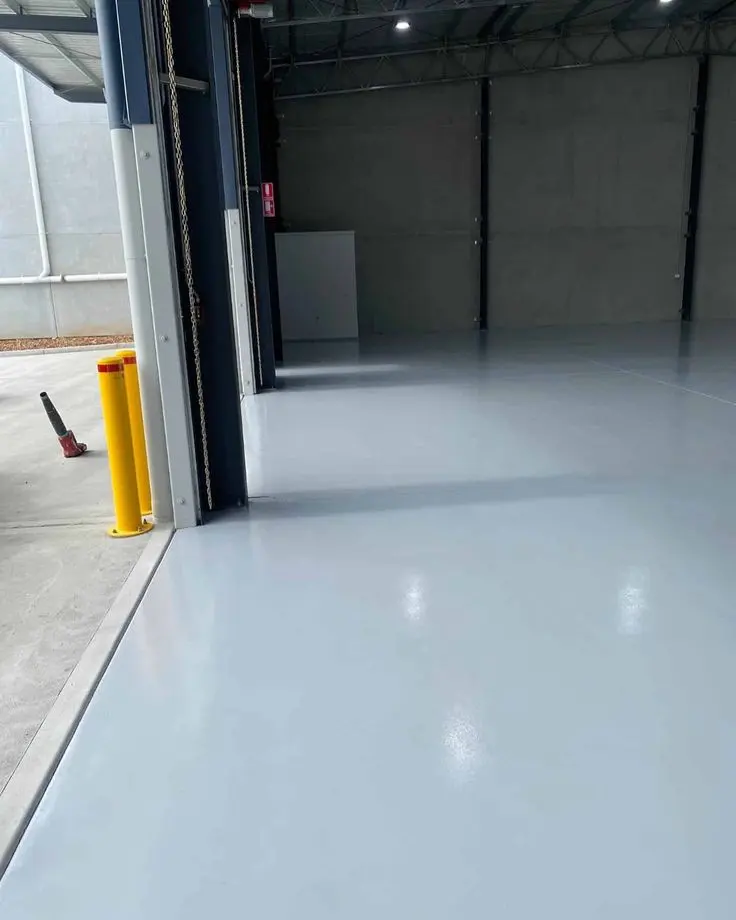
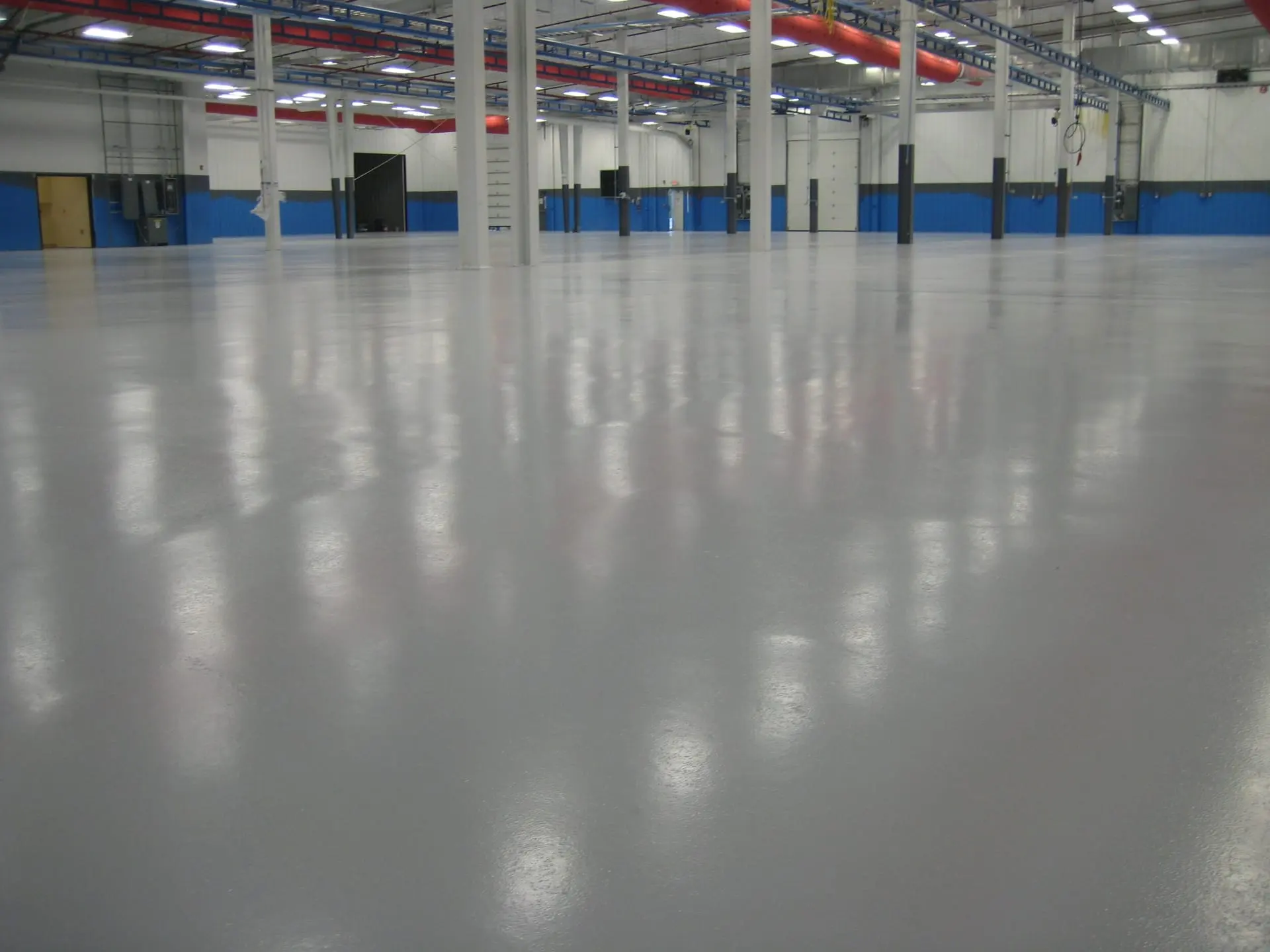
Labs at the two universities, in the teaching hospitals and on science parks around the city work with samples, chemicals and sensitive instruments. A seamless epoxy surface keeps spills on top and can be wiped and disinfected. Rooms full of electronic equipment call for an ESD (anti-static) floor, which discharges static from staff, chairs and trolleys before it can reach a device. Busy corridors and plant rooms can have harder-wearing industrial flooring.



Real experiences.
Frequently asked questions about resin flooring in Nottingham
Can a cellar cut into Nottingham sandstone be given a resin floor?
Not straight onto the rock. A resin floor needs a sound concrete slab or screed beneath it, and that base has to be dry, which in a sandstone cellar means checking for damp first and dealing with its cause. Once the base is ready, it is ground and primed like any other floor.
Is a poured floor suitable for a lecture theatre or teaching room in Nottingham?
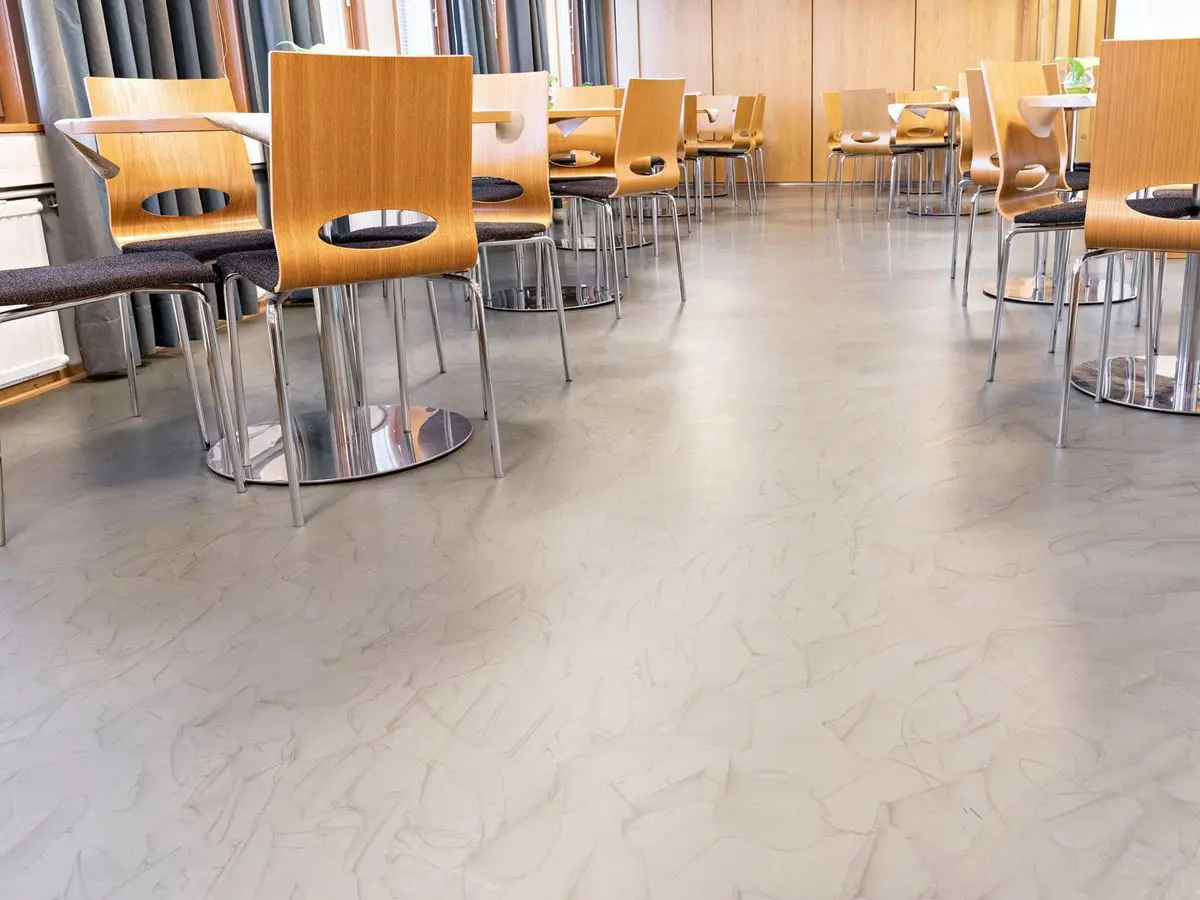
Yes, as long as it is polyurethane rather than epoxy. Velura, a flexible poured polyurethane floor, is meant for schools, offices and museums, gives a little underfoot and has a silky matt look. It needs a flat, firm and dry base with a levelling layer.
How much does resin flooring cost per square metre in Nottingham?
There is no single figure for the city. The cost depends on the size of the floor, how much work the base needs, the system and its thickness, so a small kitchen and a large unit are priced very differently. The page on the price of industrial flooring per m² explains these factors.
Resin flooring in other towns and cities
London Manchester Newcastle upon Tyne Birmingham Glasgow Liverpool Bristol Leicester Leeds Belfast York Hull See all towns and cities
Planning a resin floor in Nottingham?
Tell us the floor area, the substrate and what the space is used for. We pass your enquiry on to a flooring company in your area and let you know whether we have a partner for you.