

Resin flooring
in Glasgow
From the riverside industry of the Clyde to the sandstone tenements of the West End, floors here face hard use and a damp climate.
Scotland
Industrial and polyurethane floors in Glasgow
Glasgow grew along the Clyde, and the river was once lined with shipyards out to Clydebank and beyond. A few yards still build ships, and food and drink production, warehousing and engineering can be found on estates beside the M8 and the M74. Much of the inner city is built of red and blond sandstone tenements, with flats over shops, reached through a close.
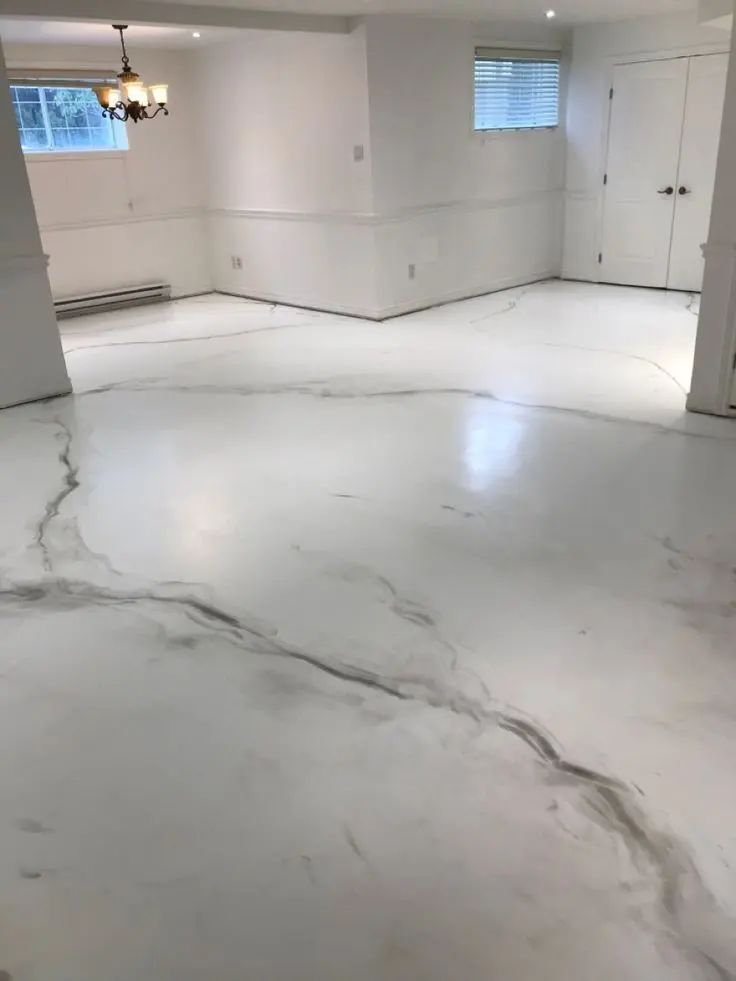
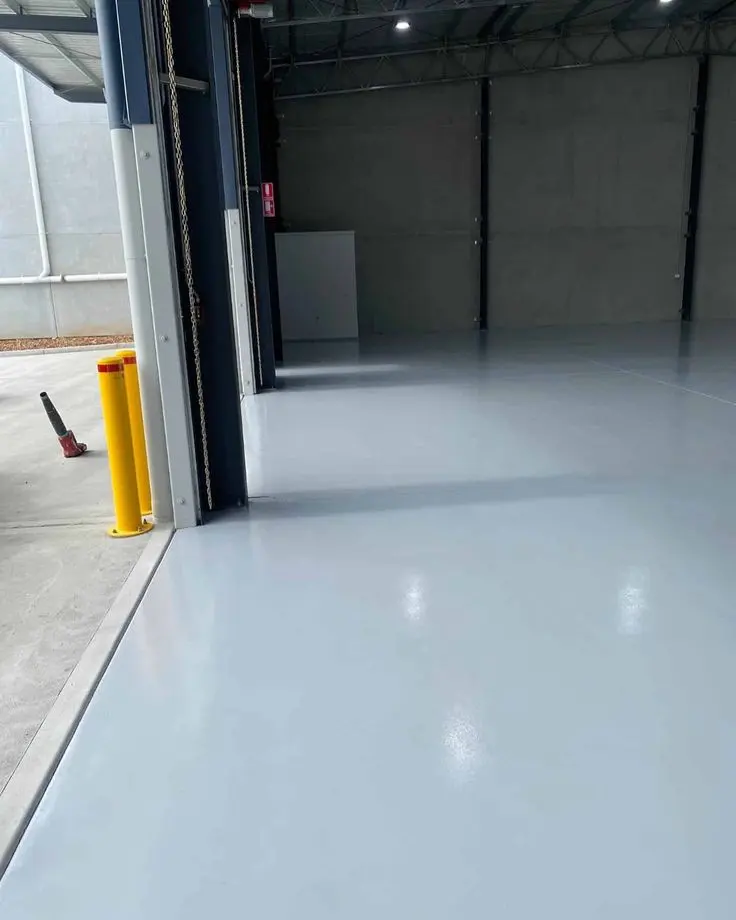
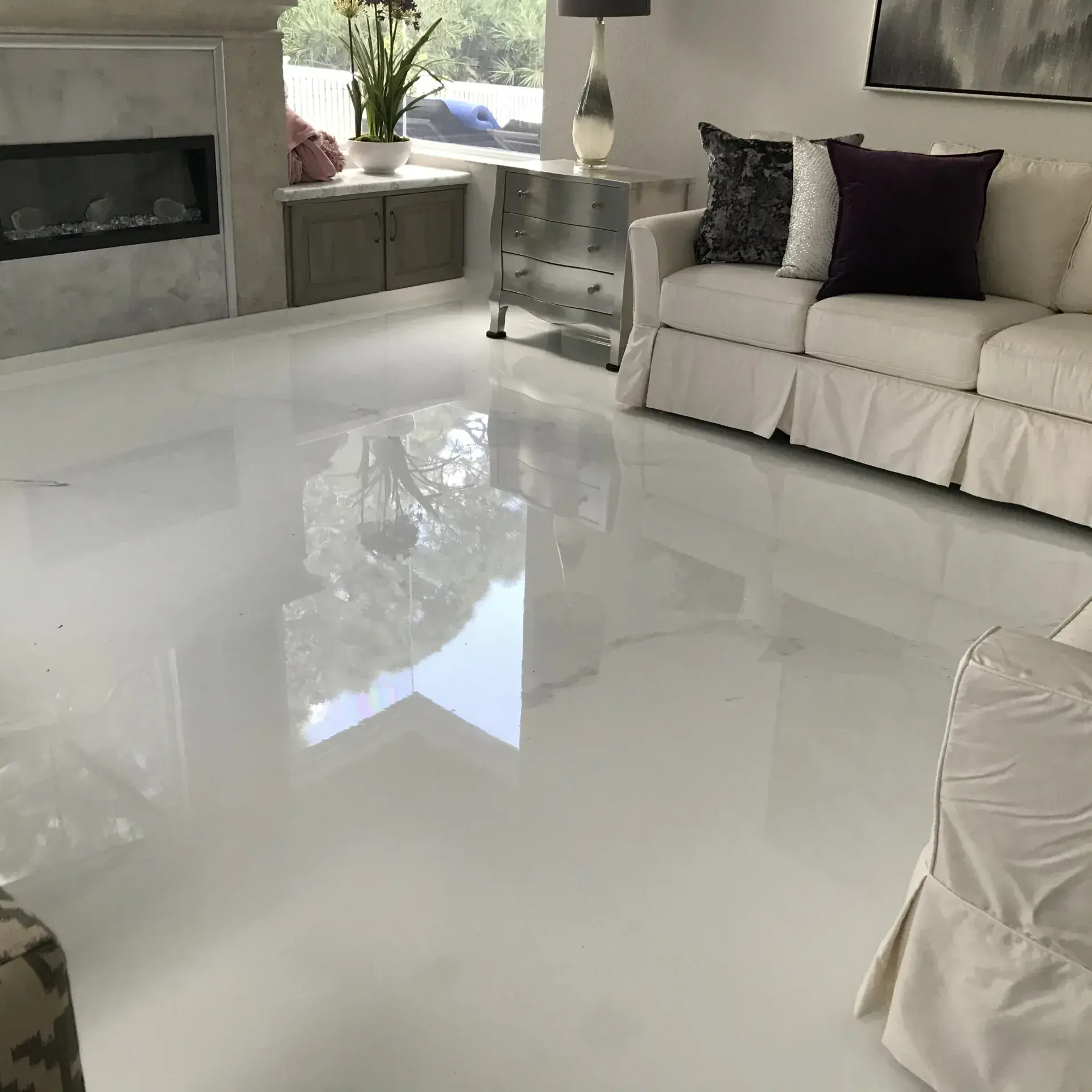
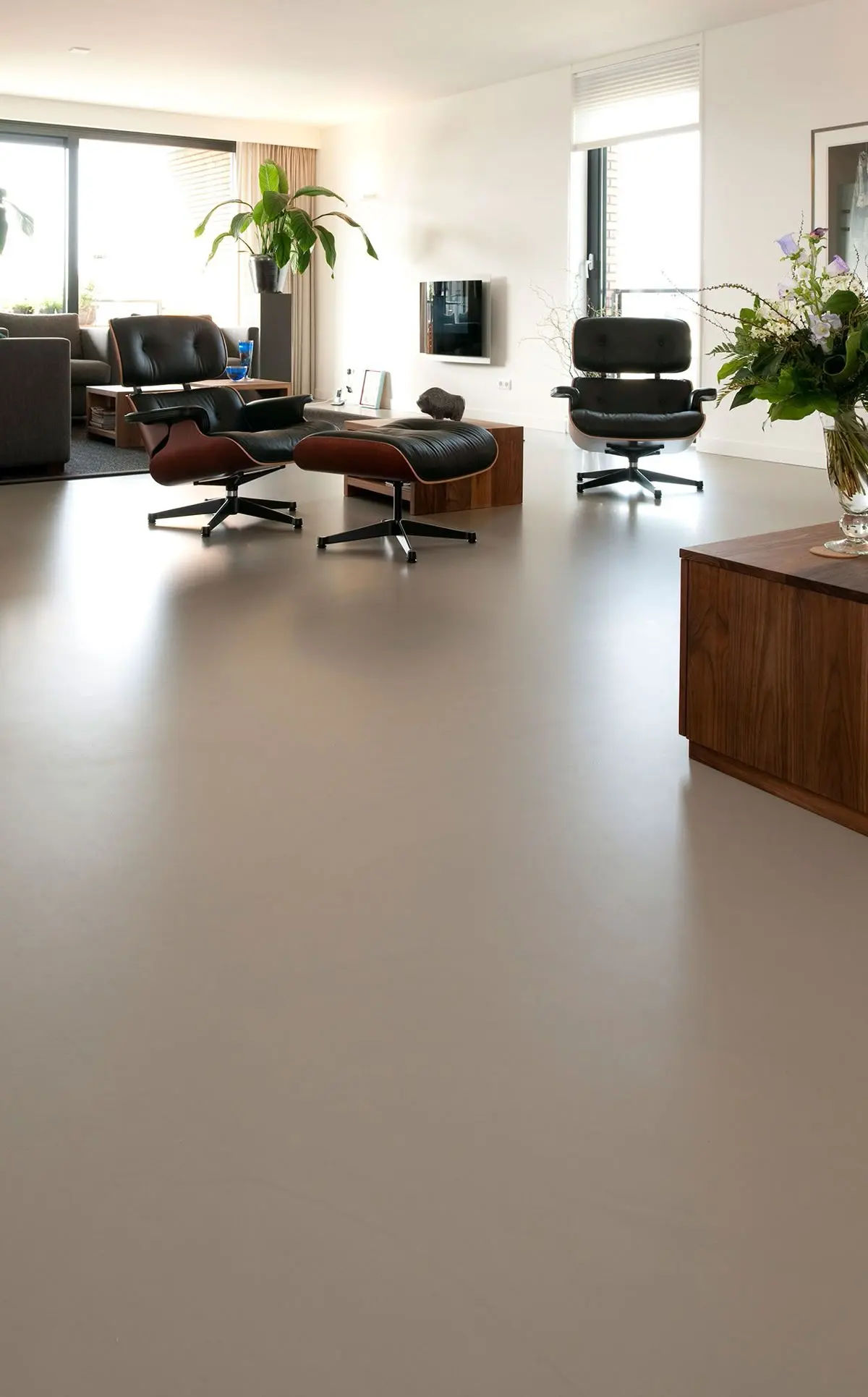
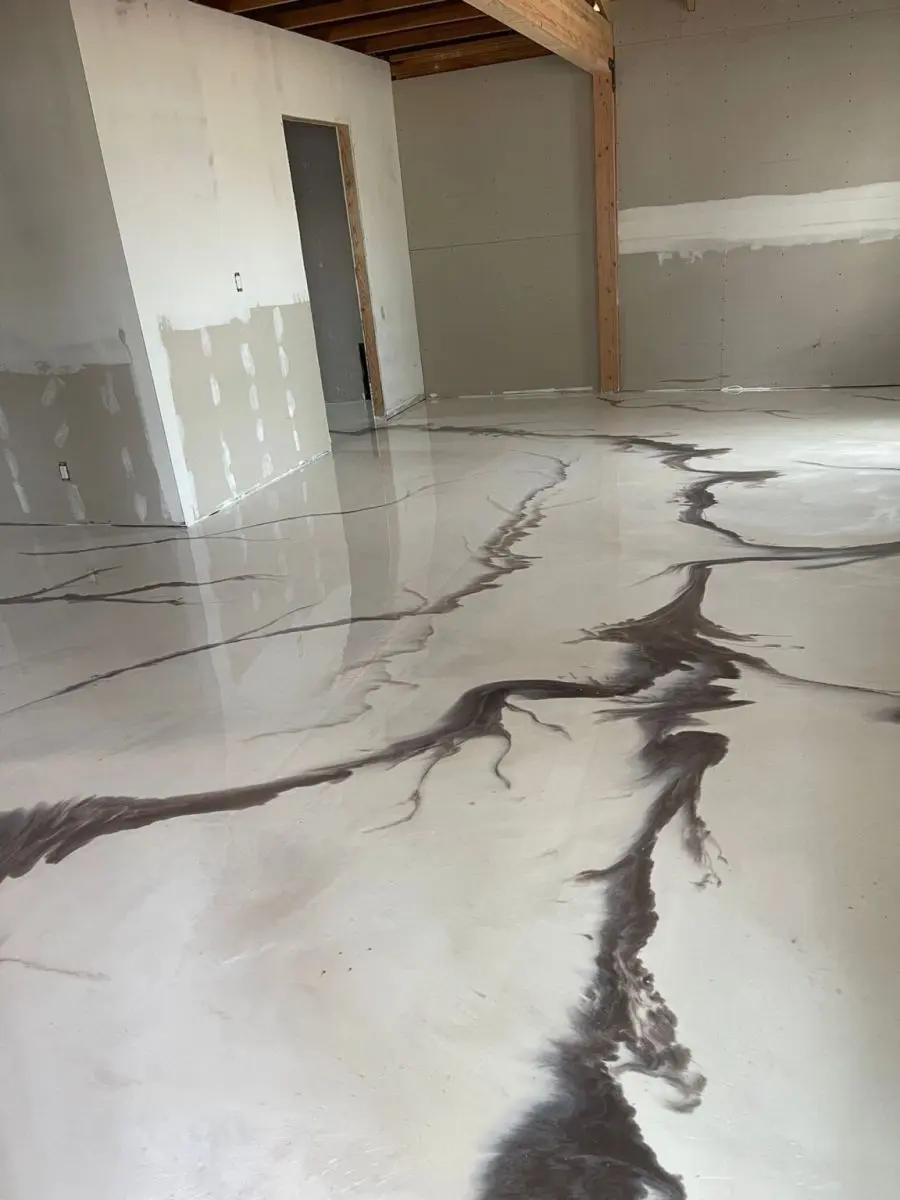
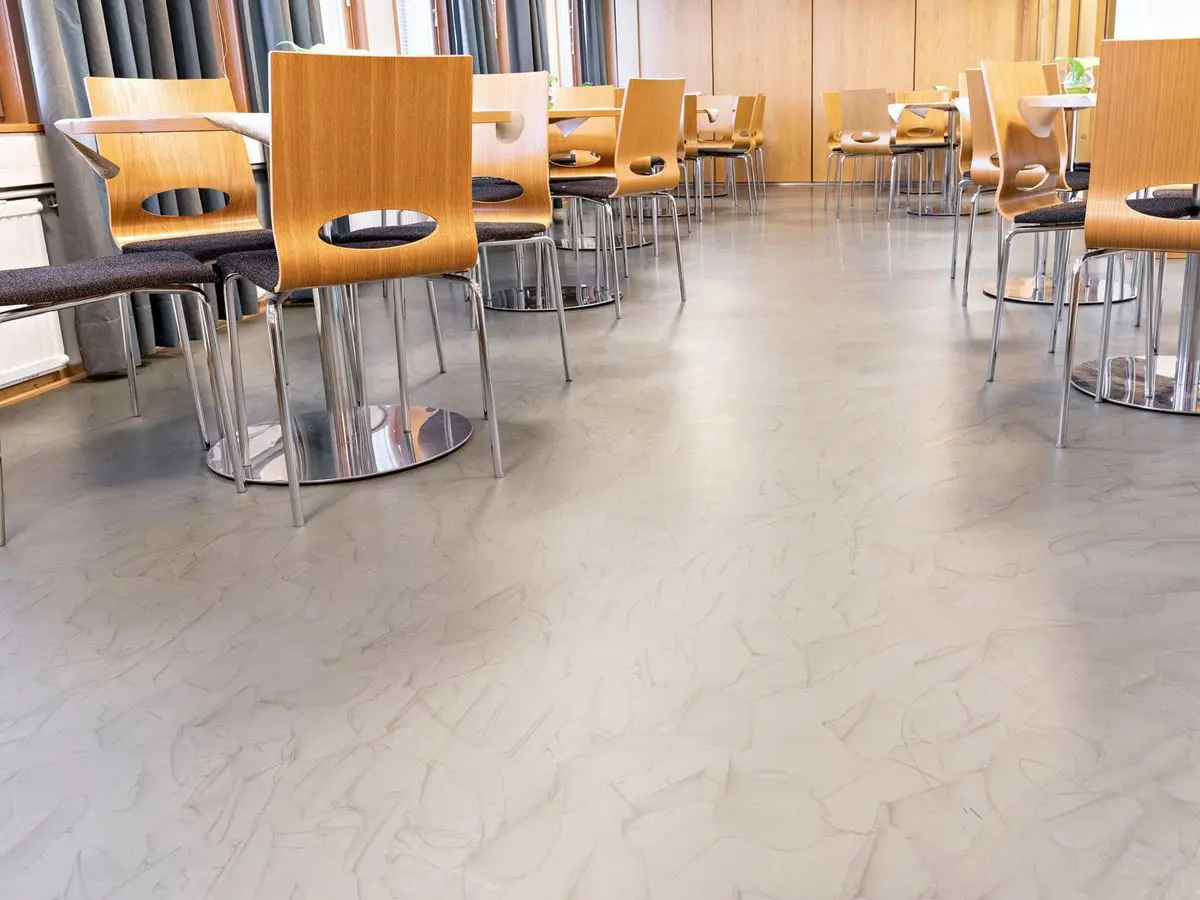
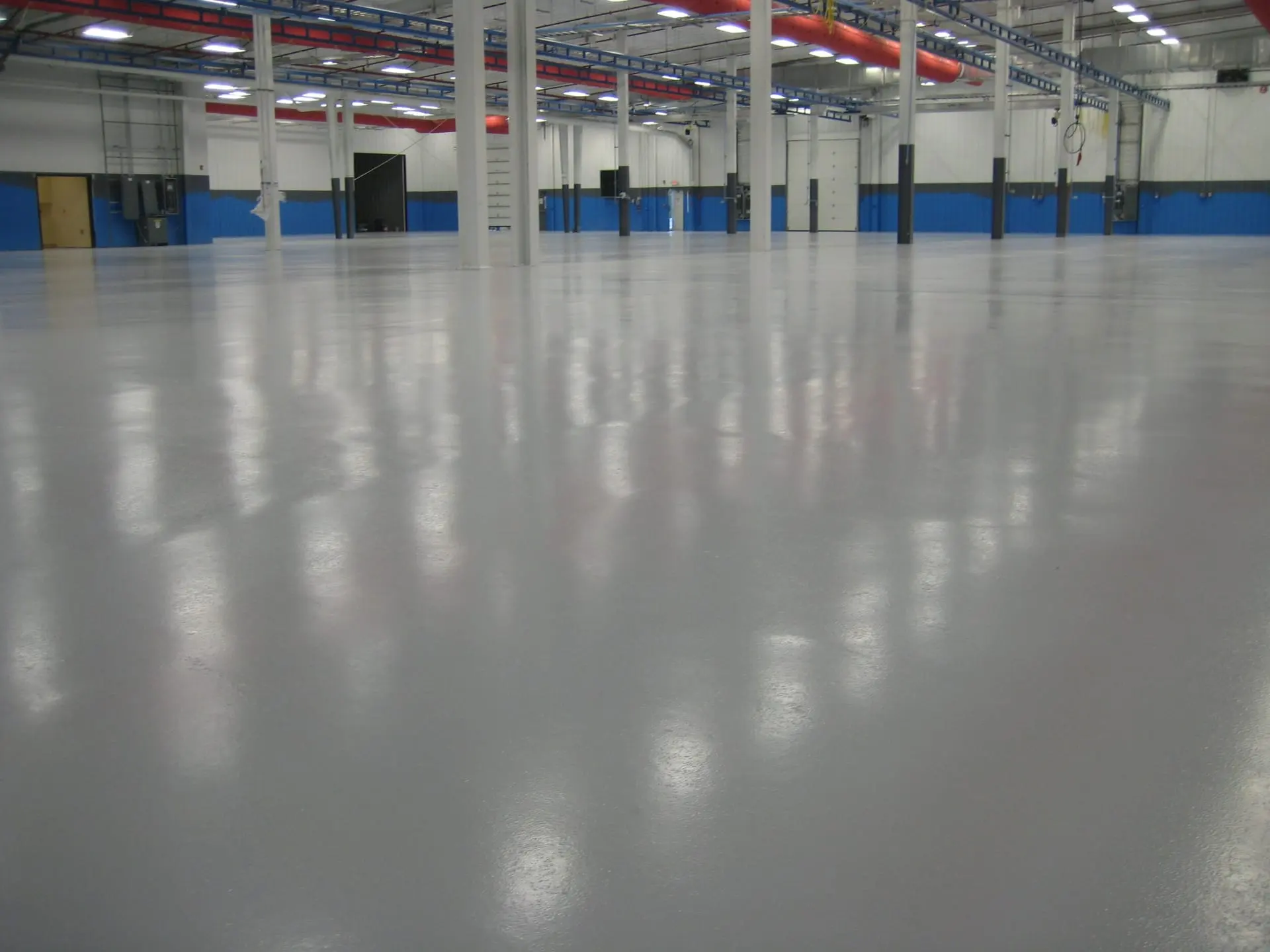
Whether in a bottling hall or a tenement kitchen, the resin floor goes onto concrete or screed that has been ground, primed and levelled, and the first question is usually moisture. The photos under our work come from EPOXIDOVO jobs, none of them in the UK. Your enquiry from Glasgow, Paisley or Hamilton goes to a flooring company in the west of Scotland, which can survey the site if needed, prepare a quote and do the work.
We also take enquiries from the surrounding area, for example from Paisley, East Kilbride, Clydebank, Hamilton and Motherwell.
Who carries out the work?
We pass your enquiry on to a partner flooring company in your area, which prepares the quote and carries out the work. We’ll let you know whether we have a partner for you.
Distilleries, bottling halls and food production
Whisky distilling, bottling and food production around Glasgow bring water, sugar, cleaning chemicals and constant washing down. Hygienic flooring for the food industry is jointless, so dirt and bacteria have nowhere to hide, and it can be cleaned and disinfected without trouble. If a process uses hot water or sharp swings in temperature, polyurethane concrete replaces a thin coating. HACCP sets the food safety rules for the business; the floor only makes them easier to follow.
Sandstone tenement flats and a damp climate
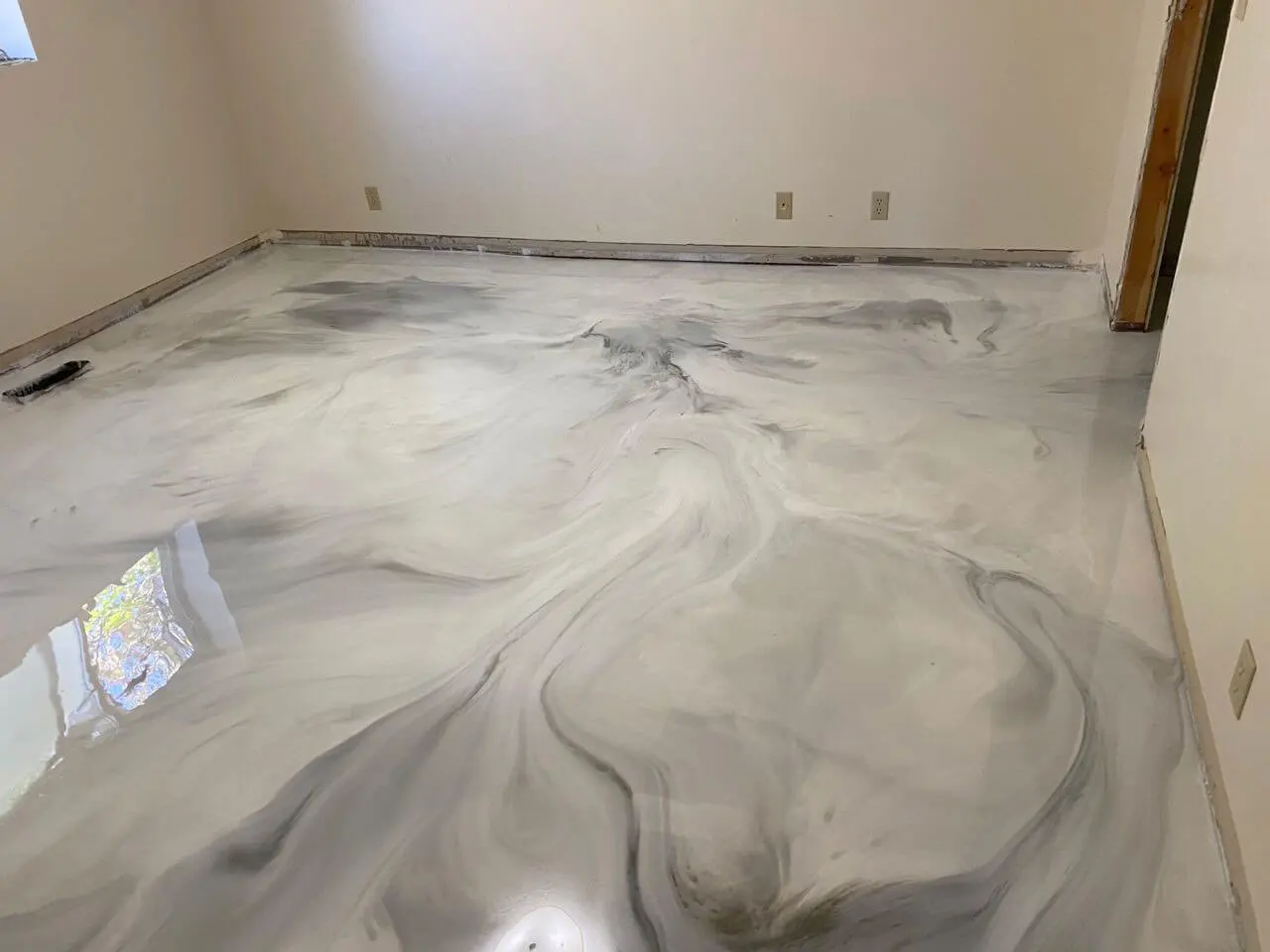
Floors in a sandstone tenement are often timber boards on joists, so a poured finish needs a screed or another rigid base first, and the joists must carry the extra weight. Damp can show up in ground-floor flats and basements, and with Glasgow’s weather it is worth measuring before work starts, since resin bonds only to a dry substrate. Indoors, polyurethane is preferable to epoxy because it is more flexible and handles light from bay windows better. Mistral has a soft clouded pattern that suits a high-ceilinged room.





Real experiences.
Frequently asked questions about resin flooring in Glasgow
Can I pour a resin floor in my Glasgow tenement kitchen myself, or learn the trade?
One kitchen is a lot to take on without practice, because most of the effort goes into preparing the substrate. If you want to make poured floors your trade, the online resin flooring course can be followed from Glasgow and is designed with exactly that aim.
What does a garage floor in East Kilbride or Paisley have to cope with in winter?
Mostly road salt, slush and oil carried in on the car. An epoxy floor with a quartz sand broadcast stops the slab dusting and keeps salt and oil from soaking in, so it can simply be washed. The garage floor page shows the build-up.
What kind of industrial floor suits an engineering works by the Clyde?
Usually an epoxy or polyurethane system, or both together, finished with quartz sand and able to take forklift trucks and spills of oil or coolant. The page on industrial flooring describes the systems; the right one depends on the loads in your building.
Resin flooring in other towns and cities
London Manchester Newcastle upon Tyne Birmingham Liverpool Bristol Leicester Nottingham Leeds Belfast York Hull See all towns and cities
Planning a resin floor in Glasgow?
Tell us the floor area, the substrate and what the space is used for. We pass your enquiry on to a flooring company in your area and let you know whether we have a partner for you.