Resin flooring
in Liverpool
The docks still handle cargo and the old brick warehouses now hold studios and flats, so Liverpool floors range from forklift aisles to creative workspaces.
Merseyside
Industrial and polyurethane floors in Liverpool
Liverpool sits on the Mersey estuary, and its docks run north from the Pier Head through Bootle to Seaforth, where containers are still handled. Around the port and along the M62, M57 and M58 there are warehouses and distribution sites. Closer to the centre, Victorian dock warehouses have become flats, hotels and offices, and the Baltic Triangle is now a district of studios and small creative businesses.
Any resin floor needs a sound base, and old dock buildings may have patched or uneven slabs, so the surface is diamond ground, repaired, primed and levelled first. If you write to us from Liverpool, Birkenhead or St Helens, the enquiry is handed to a flooring company on Merseyside, which carries out a site survey where one is needed, writes the quote and does the job. The enquiry form asks for the floor area and the use.
We also take enquiries from the surrounding area, for example from Birkenhead, Bootle, St Helens, Southport and Widnes.
Who carries out the work?
We pass your enquiry on to a partner flooring company in your area, which prepares the quote and carries out the work. We’ll let you know whether we have a partner for you.
Port warehouses and logistics units
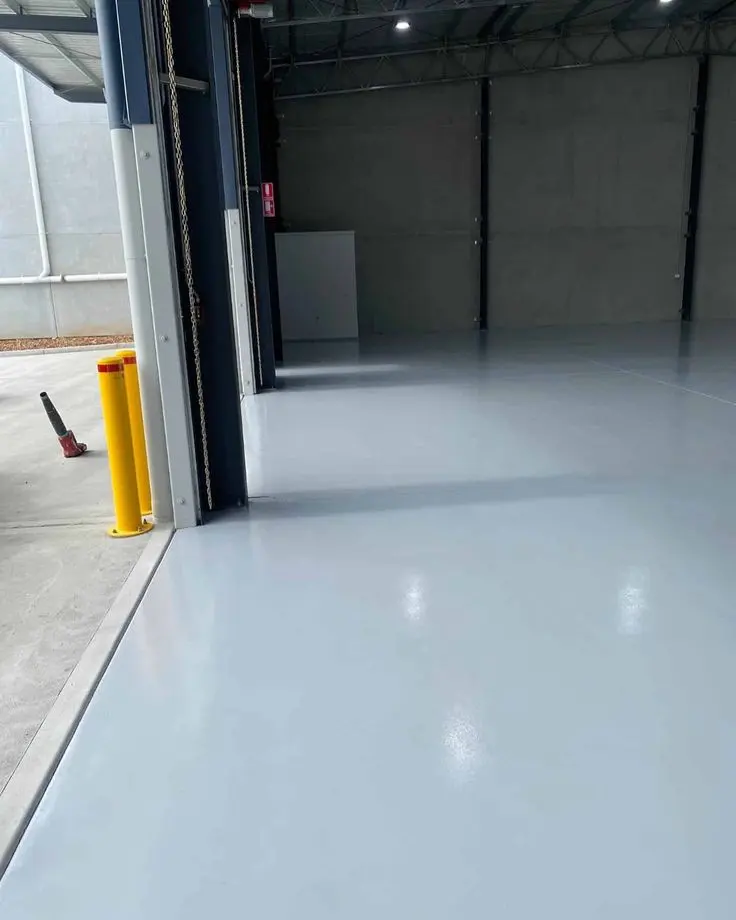
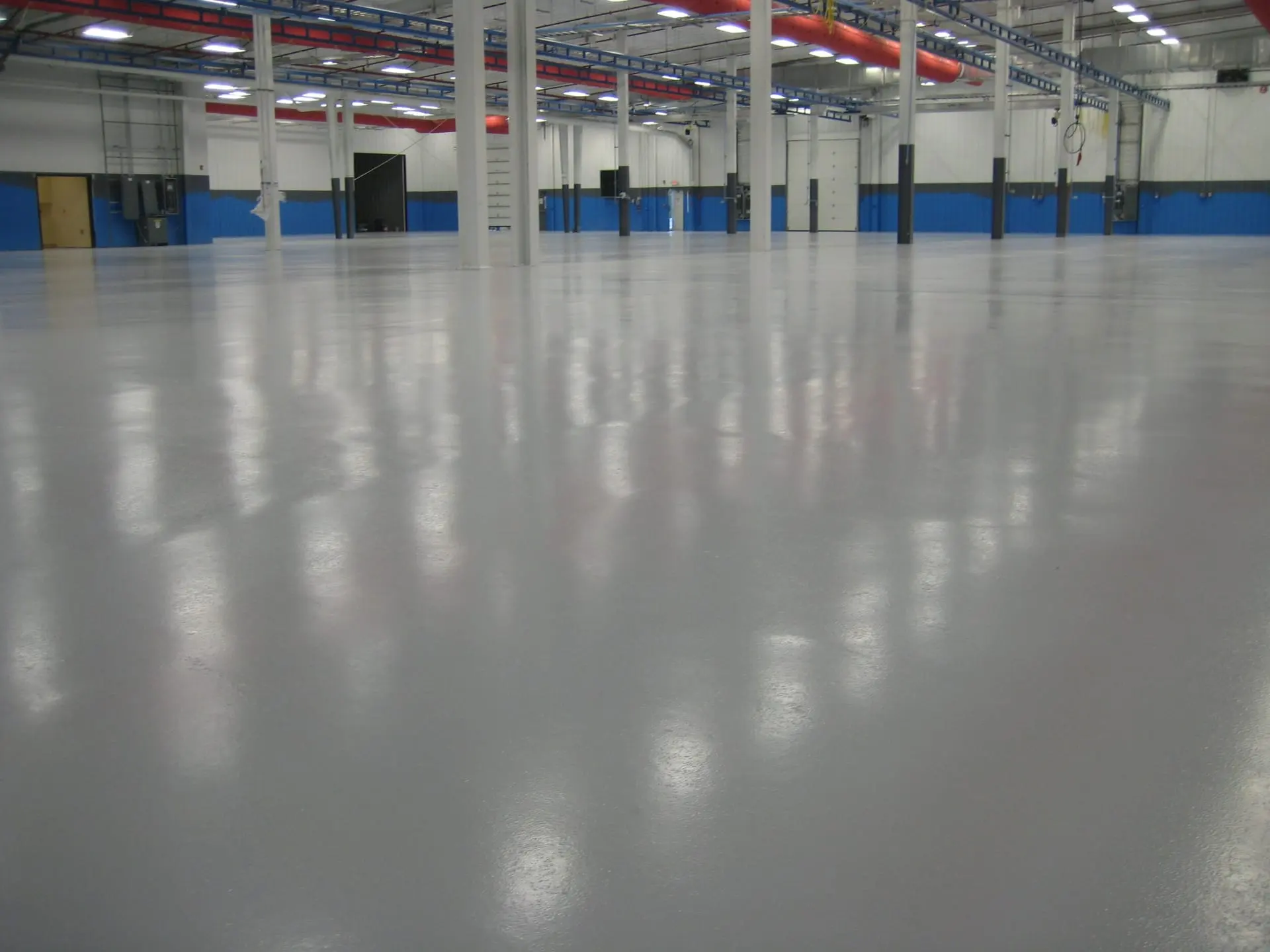
Warehouses near the docks and on estates by the motorways take forklift trucks, reach trucks and tall racking. A factory and warehouse floor in epoxy or polyurethane seals the concrete so it stops dusting, and cracks and old joints are repaired before the primer goes down. A large building does not have to close: the work can move through it bay by bay. Near loading doors, industrial flooring with a quartz sand broadcast gives better grip underfoot.
Studios in the Baltic Triangle and Georgian houses
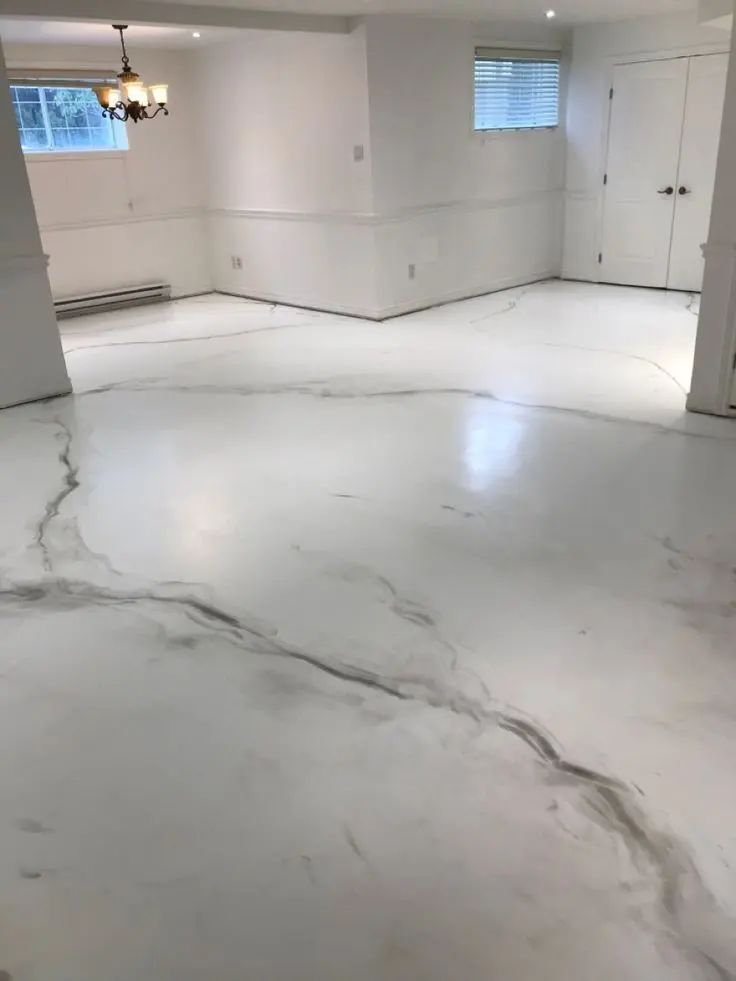
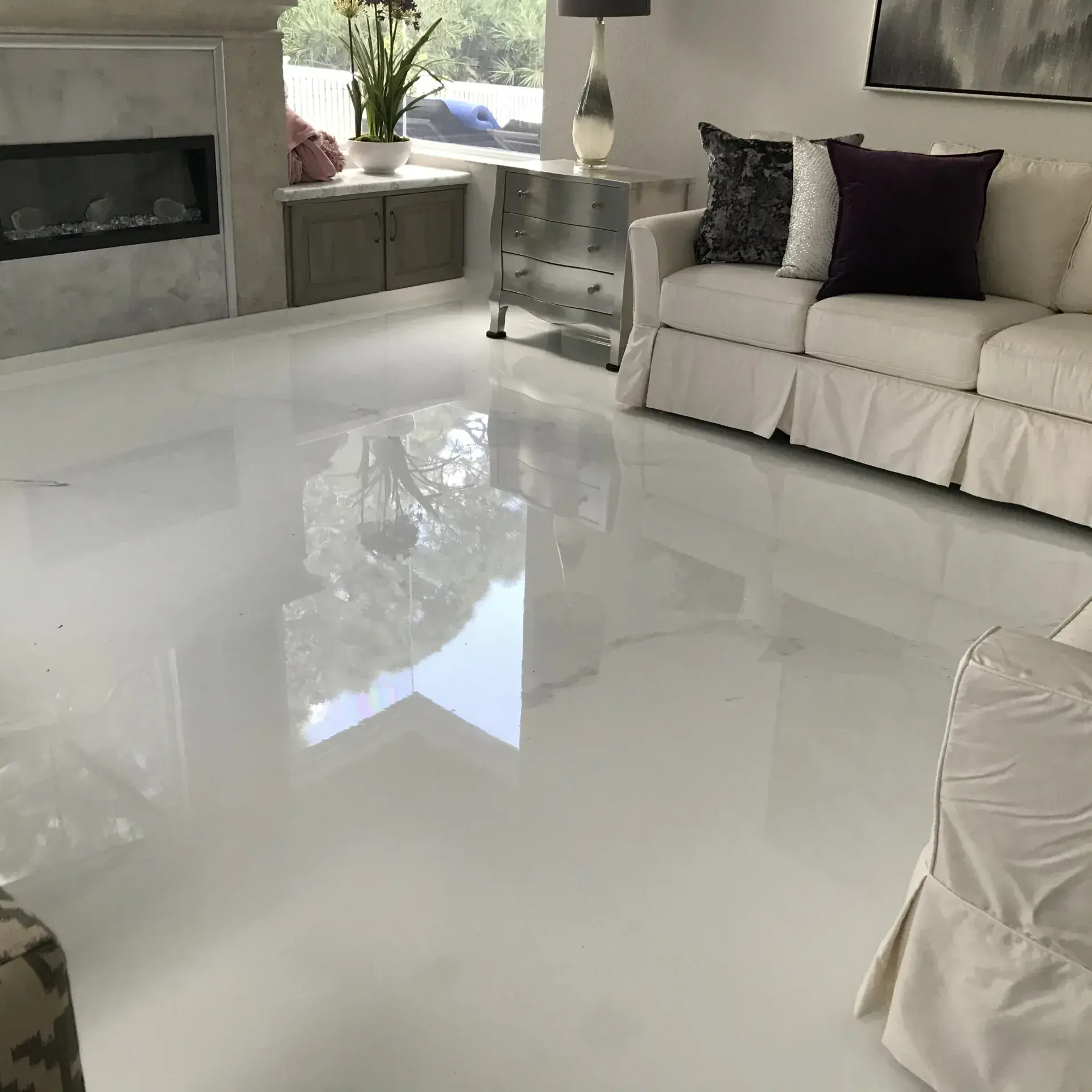
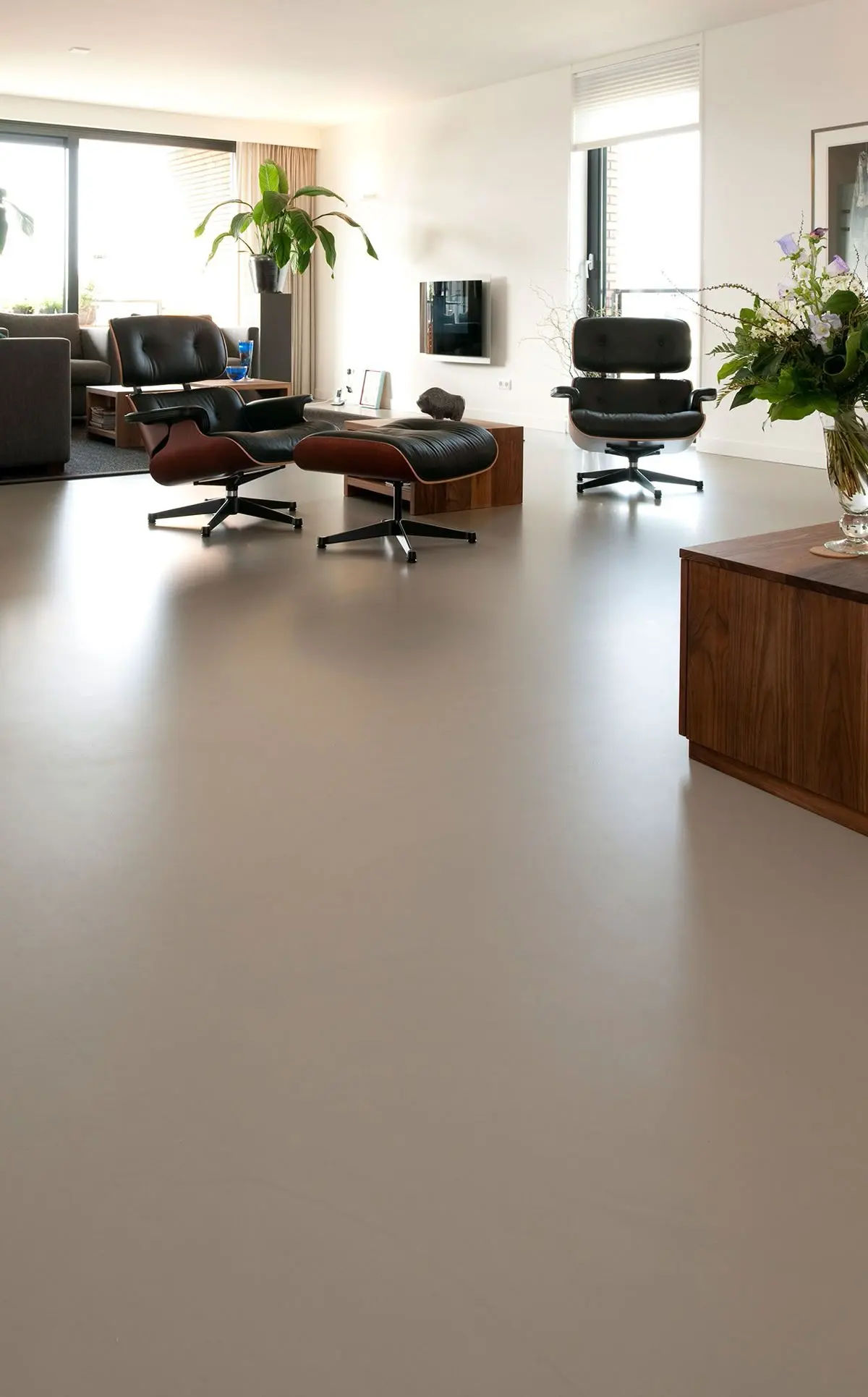
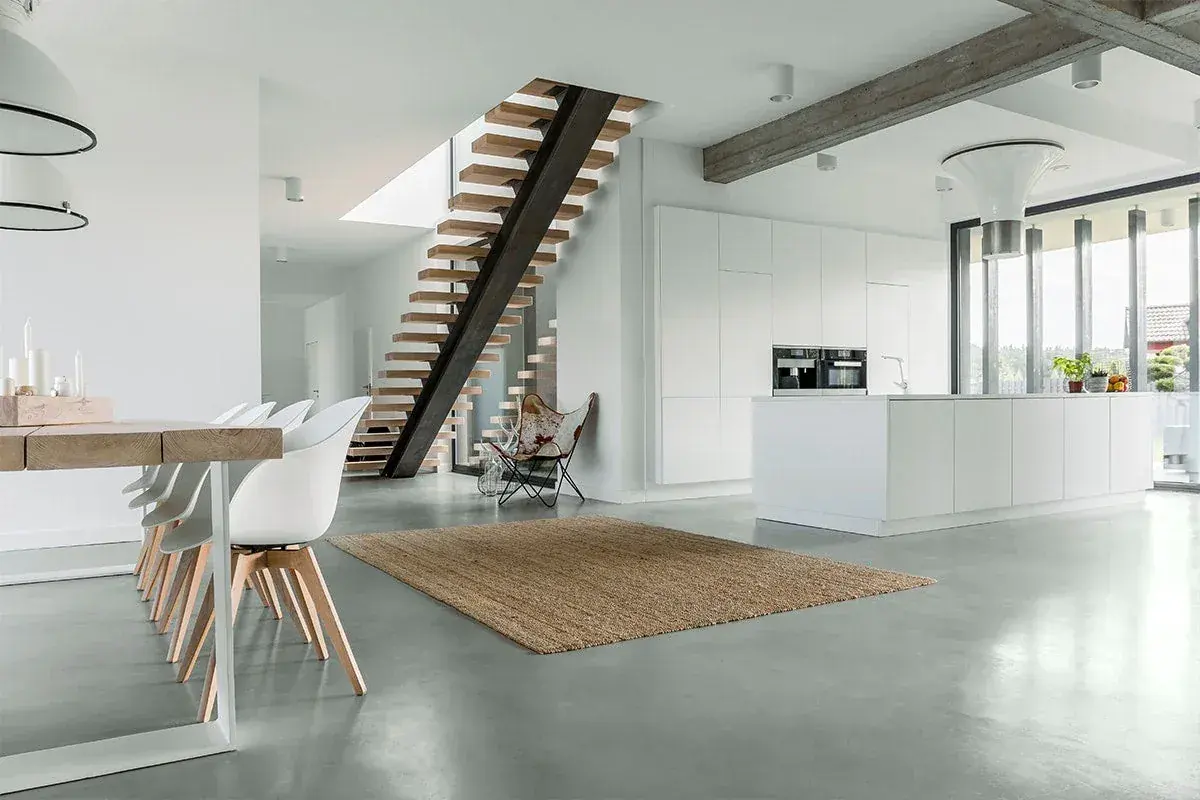
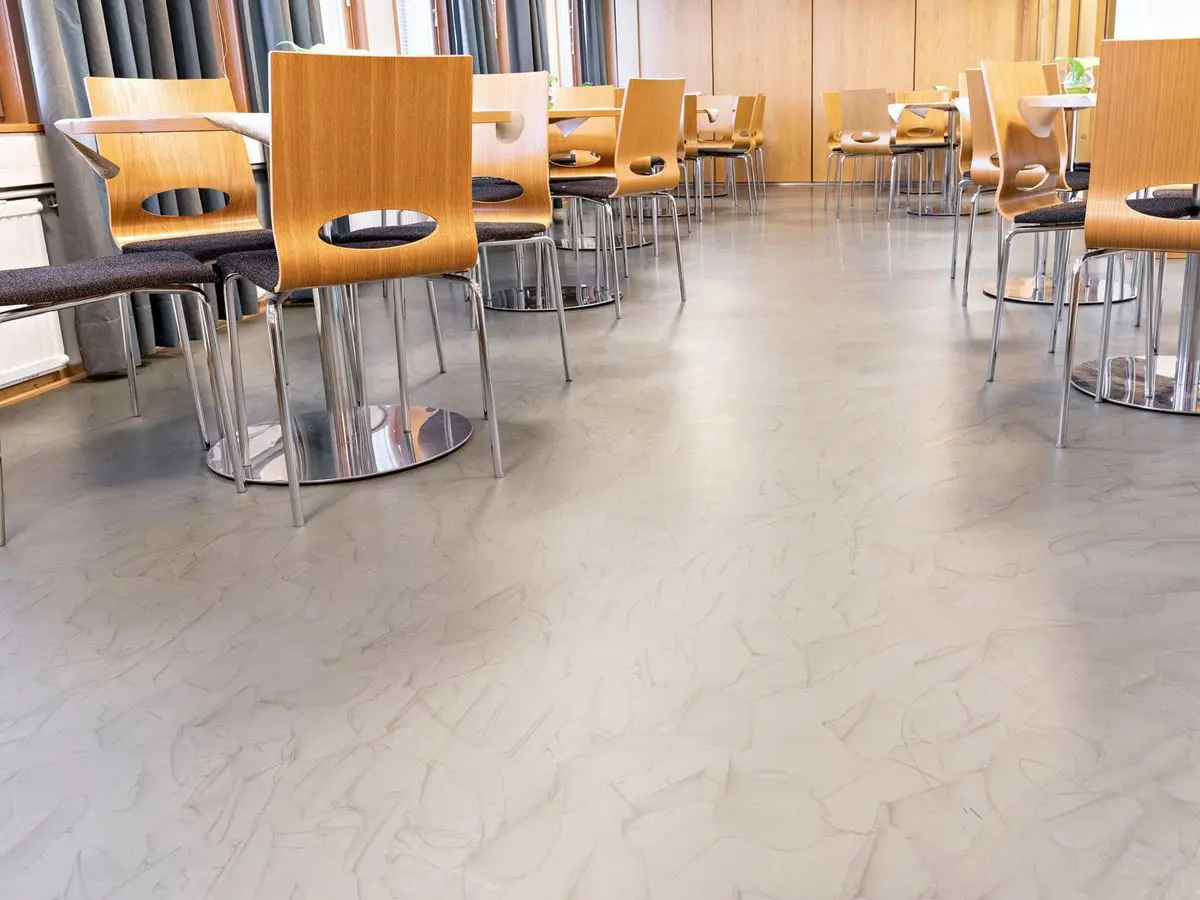
Studios, workshops and small offices in the Baltic Triangle often sit in former warehouses with bare brick and concrete. A concrete-look floor in polyurethane keeps that raw character without joints, pores or dust. In the Georgian terraces around Rodney Street and Canning Street, a kitchen or a lower ground floor can take a solid-colour floor in a single shade, matt or gloss. Polyurethane suits living space, as it is more flexible than epoxy.



Real experiences.
Frequently asked questions about resin flooring in Liverpool
What are the downsides of an epoxy floor in a Liverpool flat or house?
Epoxy is hard and less flexible than polyurethane, and it copes less well with UV, so it is not the first choice for a bright living room. It also needs a dry, sound substrate. In a garage or a workshop those points matter far less.
Do chemical plants and solvent stores along the Mersey need a special floor?
Where flammable gases, vapours or dust can occur, yes. Dissipative ATEX flooring for explosive atmospheres is a conductive epoxy that works together with conductive footwear. Which rooms need it follows from the site’s hazardous area classification; the rest of the plant can have standard industrial flooring.
Which floor suits a hotel lobby or bar in a converted Liverpool warehouse?
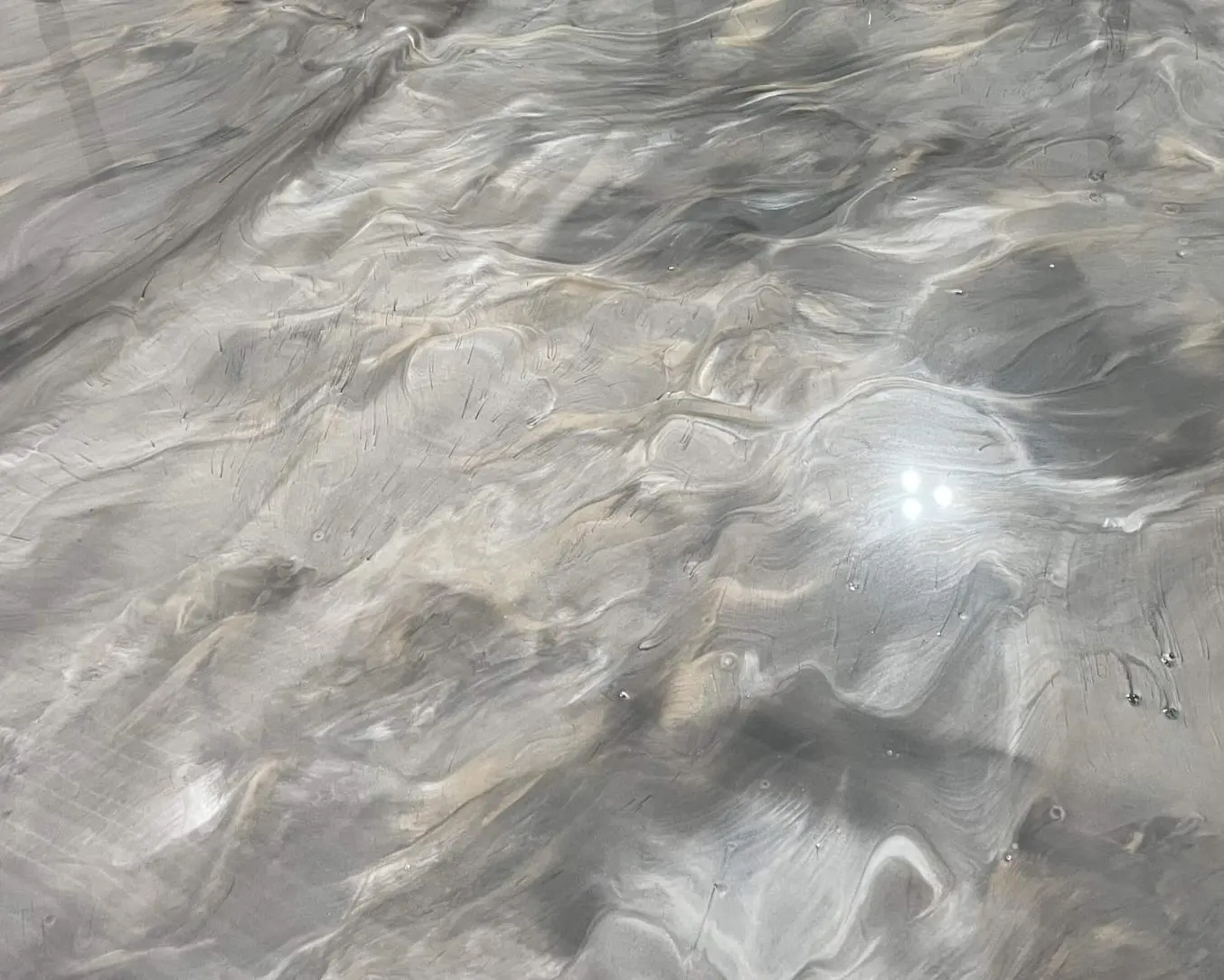
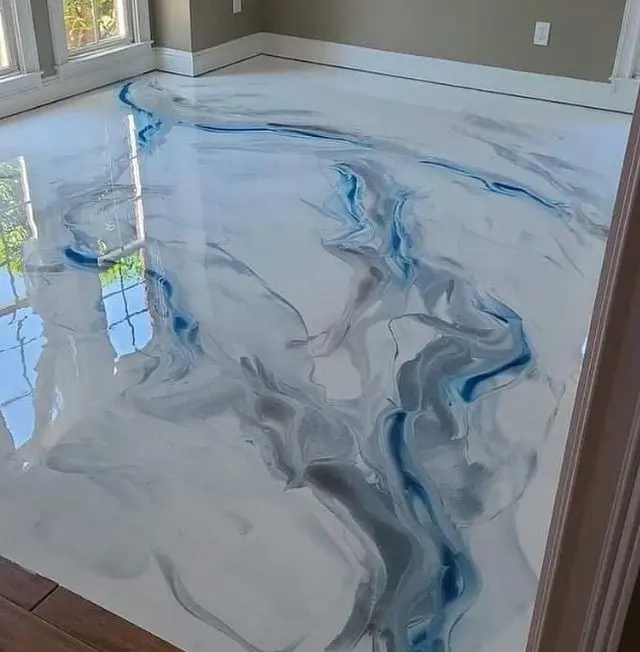
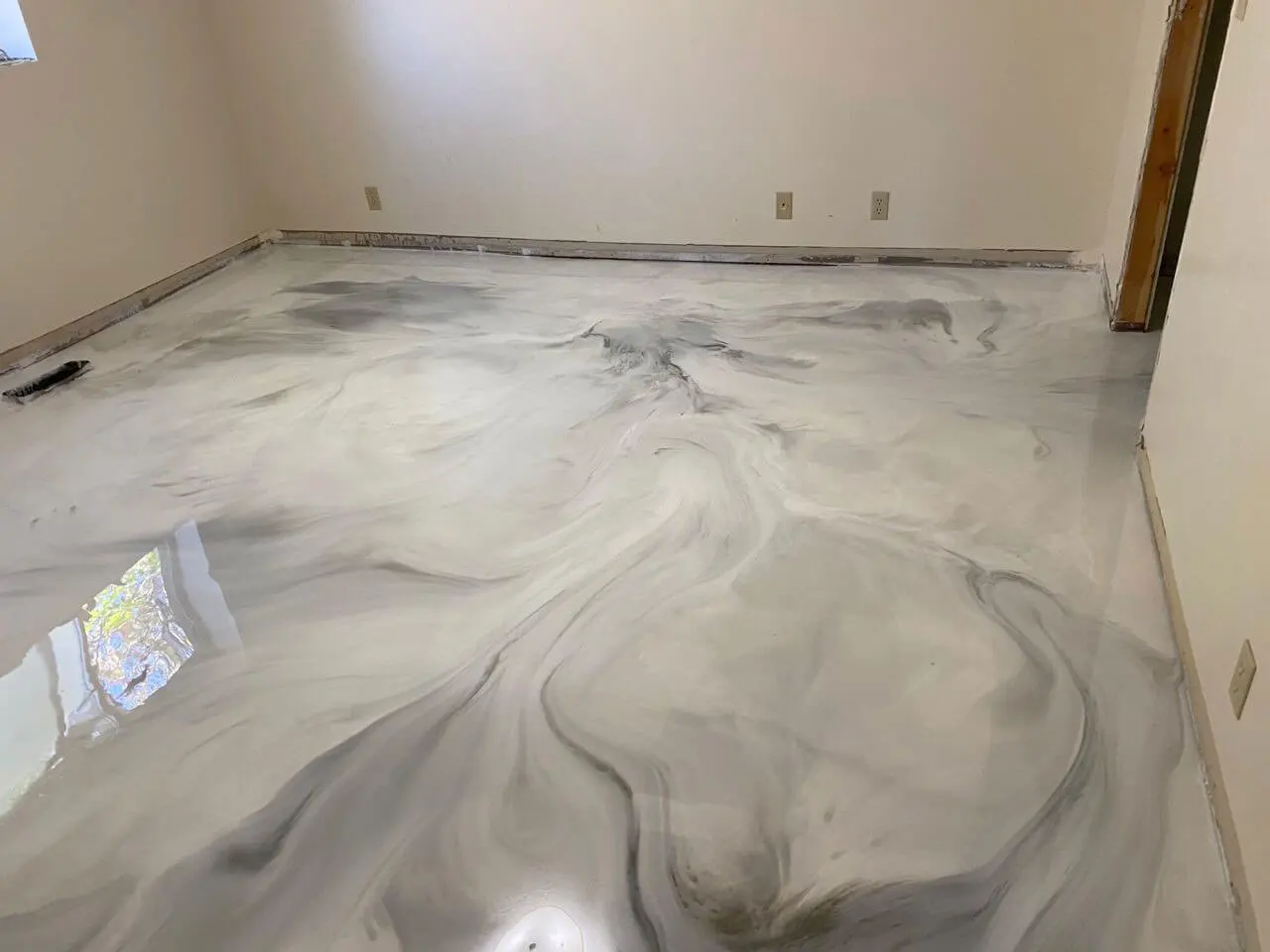
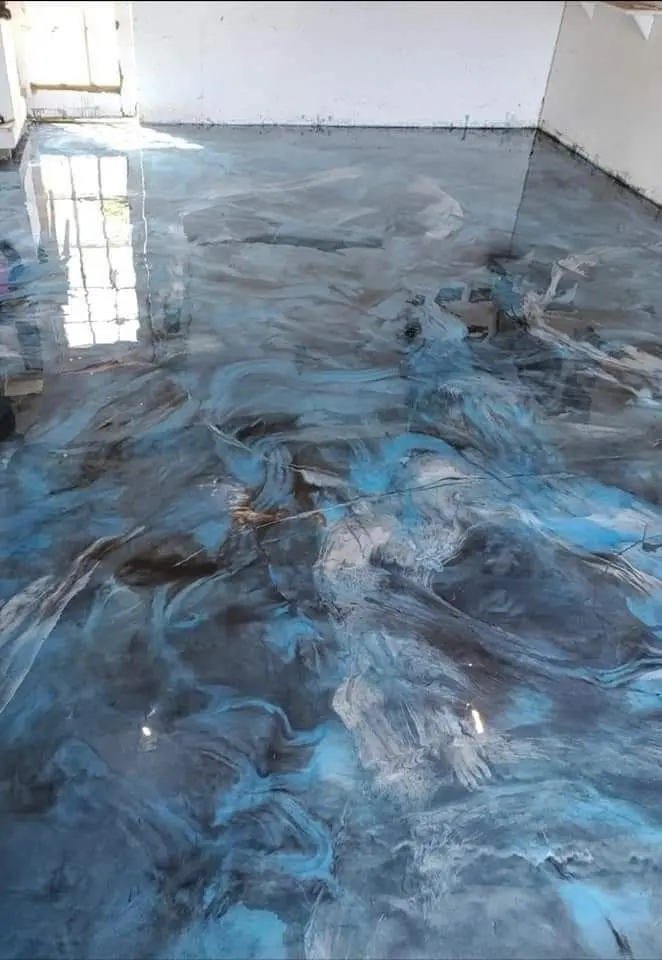
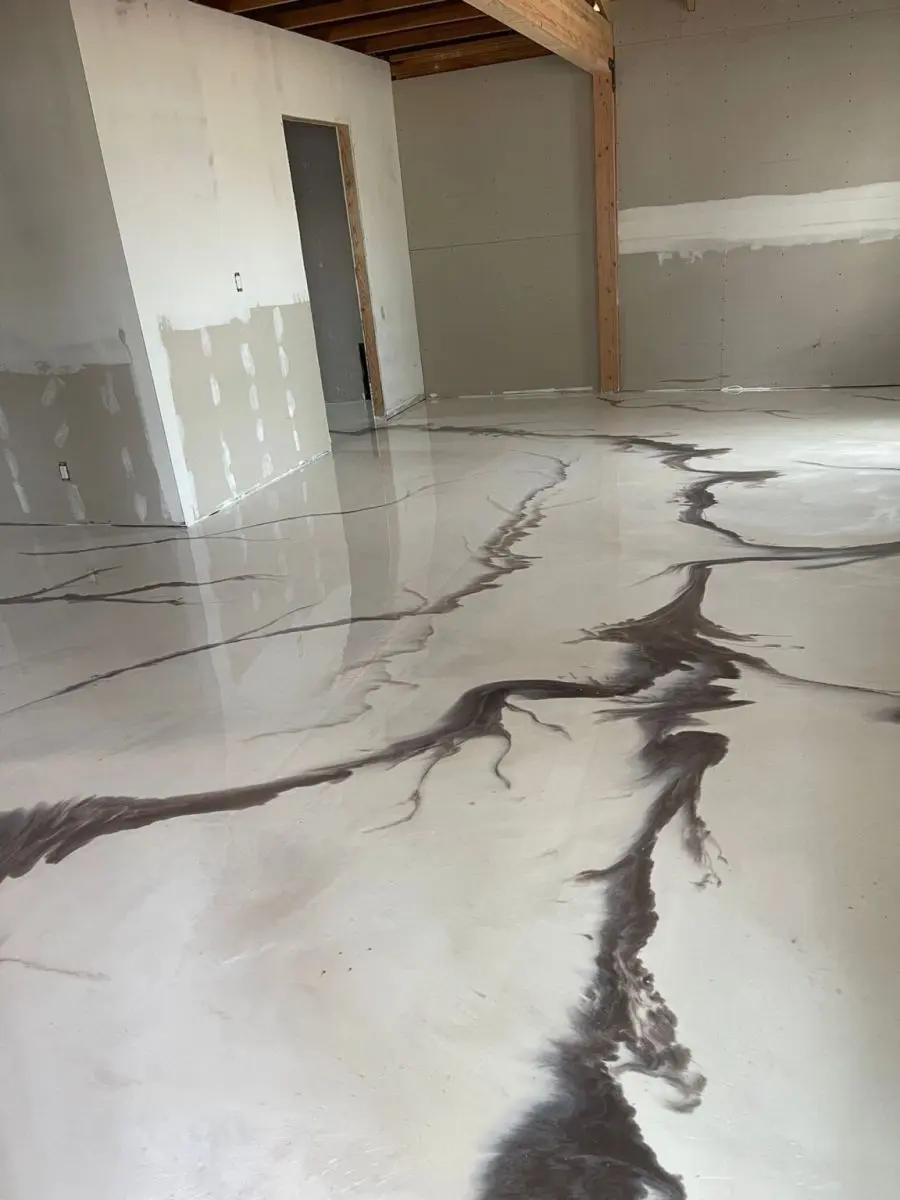
A metallic epoxy floor fits where the room should make an impression, as its metallic pigments give the surface a sense of depth. In a bar, the area behind the counter can be given a rougher, anti-slip finish while the rest of the room stays smooth and easy to mop.
Resin flooring in other towns and cities
London Manchester Newcastle upon Tyne Birmingham Glasgow Bristol Leicester Nottingham Leeds Belfast York Hull See all towns and cities
Planning a resin floor in Liverpool?
Tell us the floor area, the substrate and what the space is used for. We pass your enquiry on to a flooring company in your area and let you know whether we have a partner for you.