Resin flooring
in Huddersfield
Huddersfield wove fine wool cloth in stone mills along the Colne, and chemical works and stone terraces still shape what its floors must cope with.
West Yorkshire
Industrial and polyurethane floors in Huddersfield
Huddersfield grew on wool, and its mills, many built of local stone, line the valleys of the Colne and the Holme. A few still make fine cloth, while others have become flats, offices and workshops. Chemical making began here with dyes for the mills, and chemicals are still made in the area. The M62 crosses the hills just north of the town.
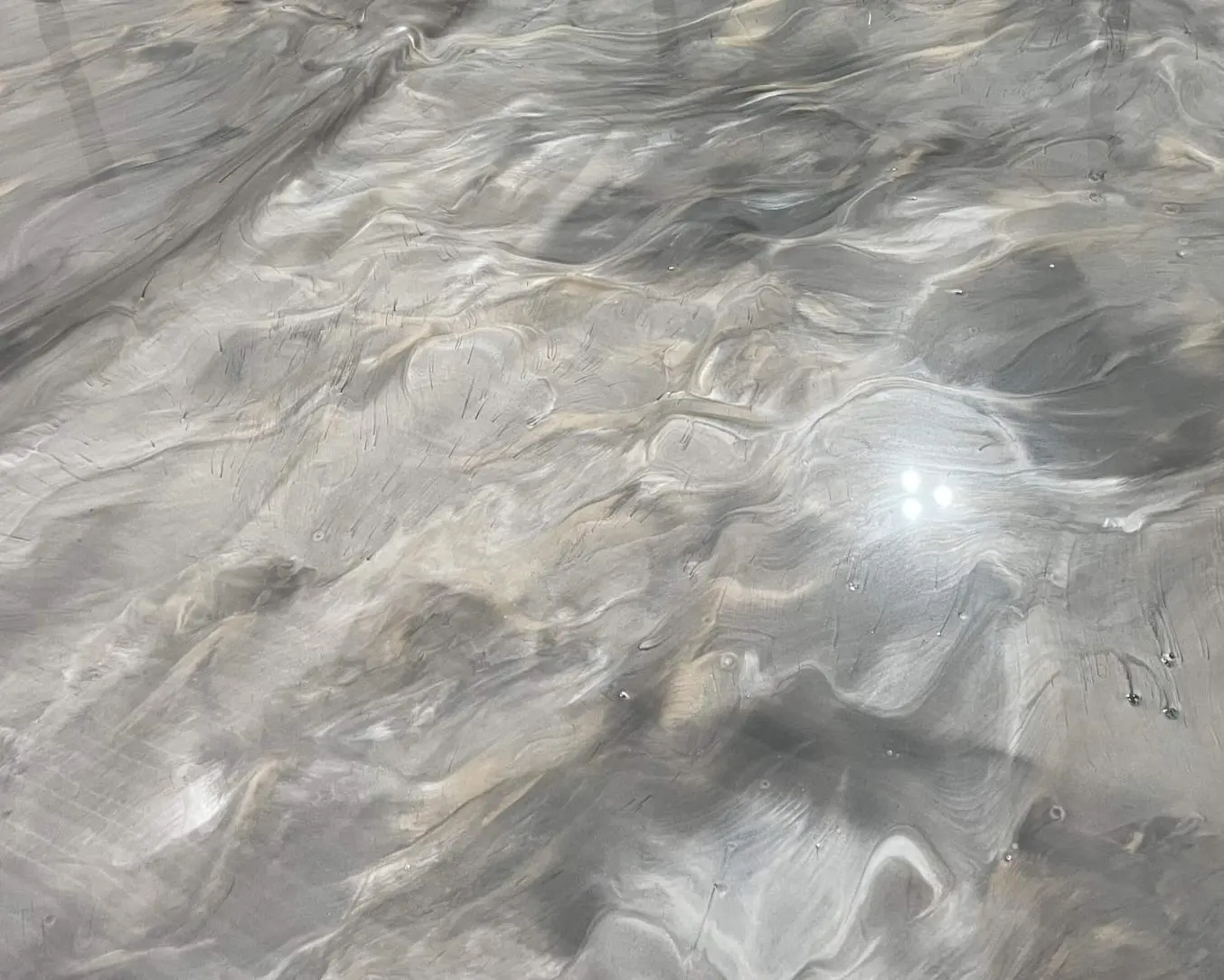
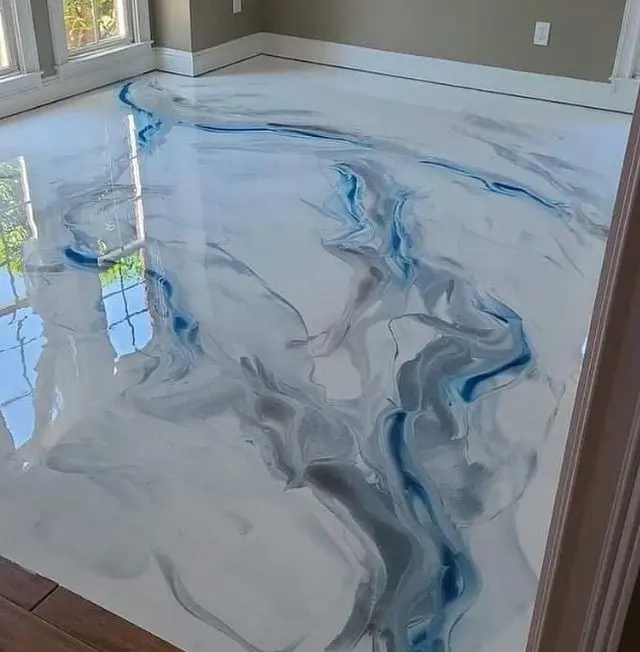
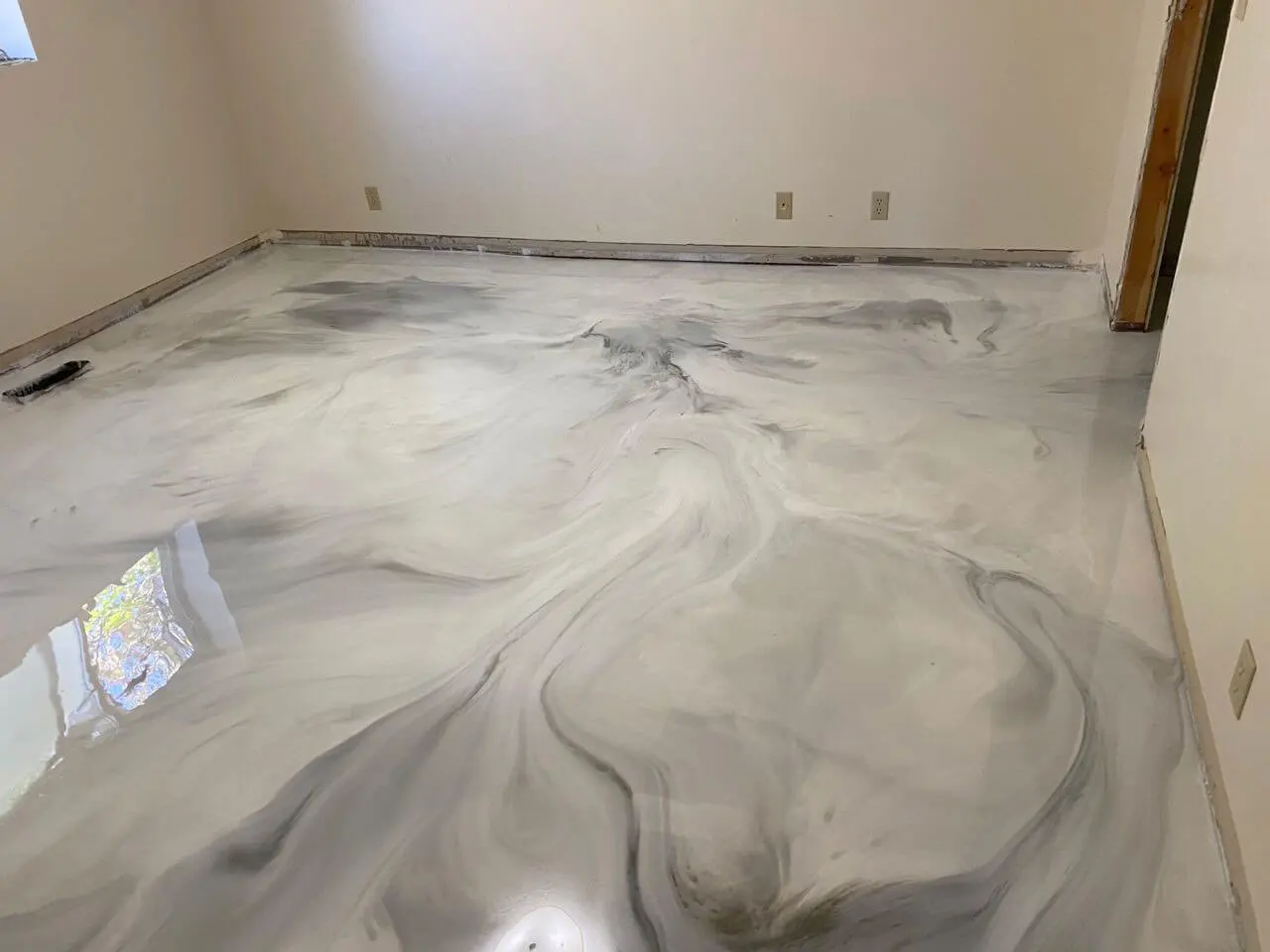
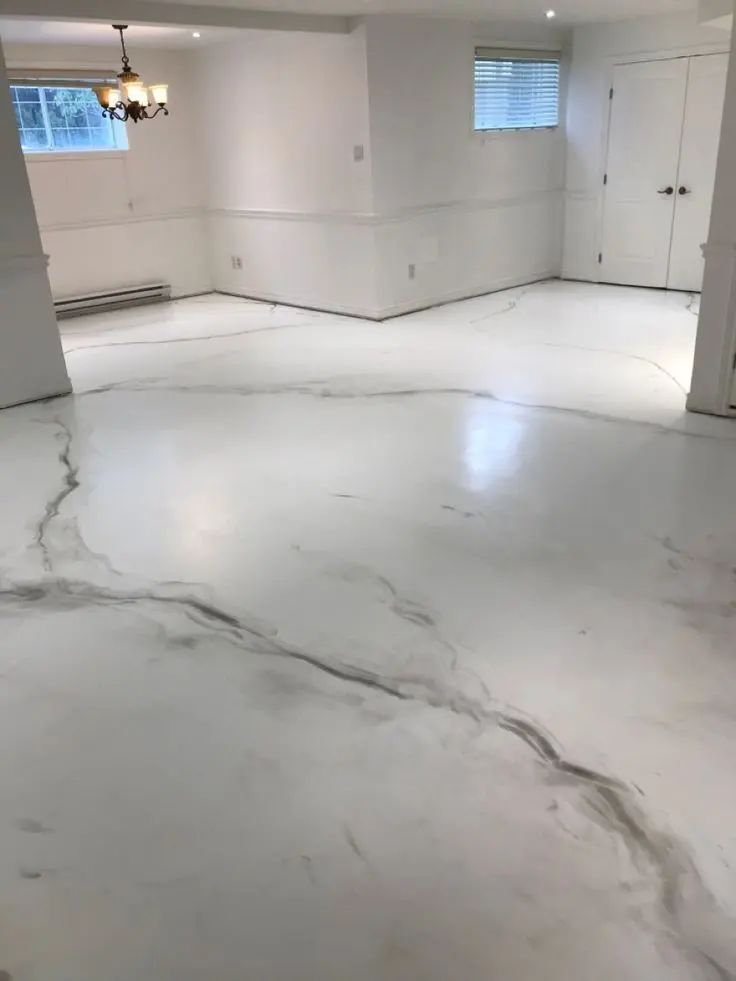
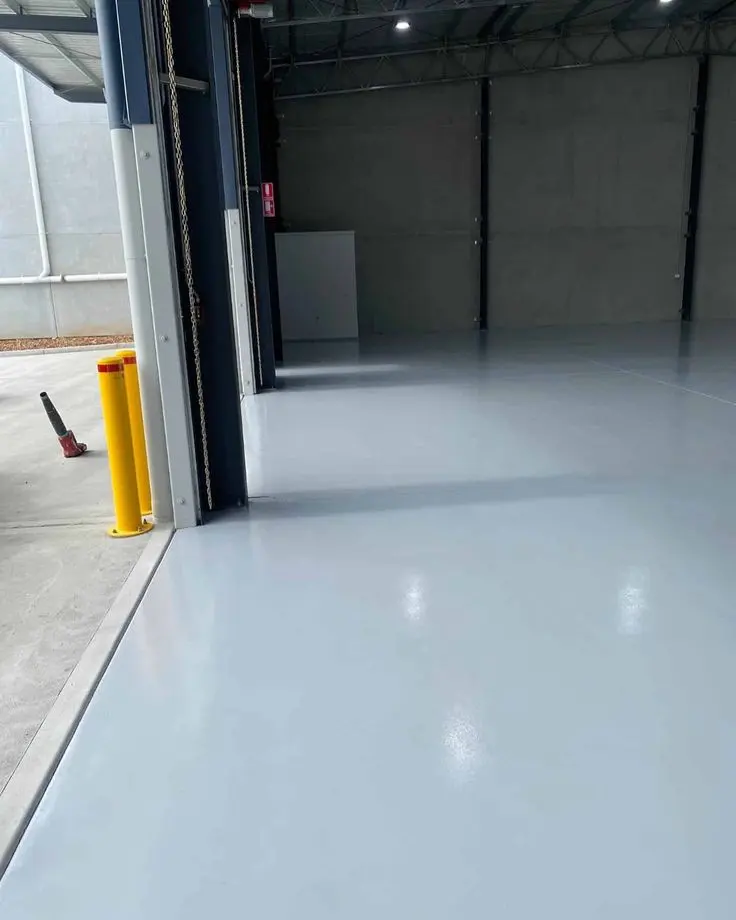
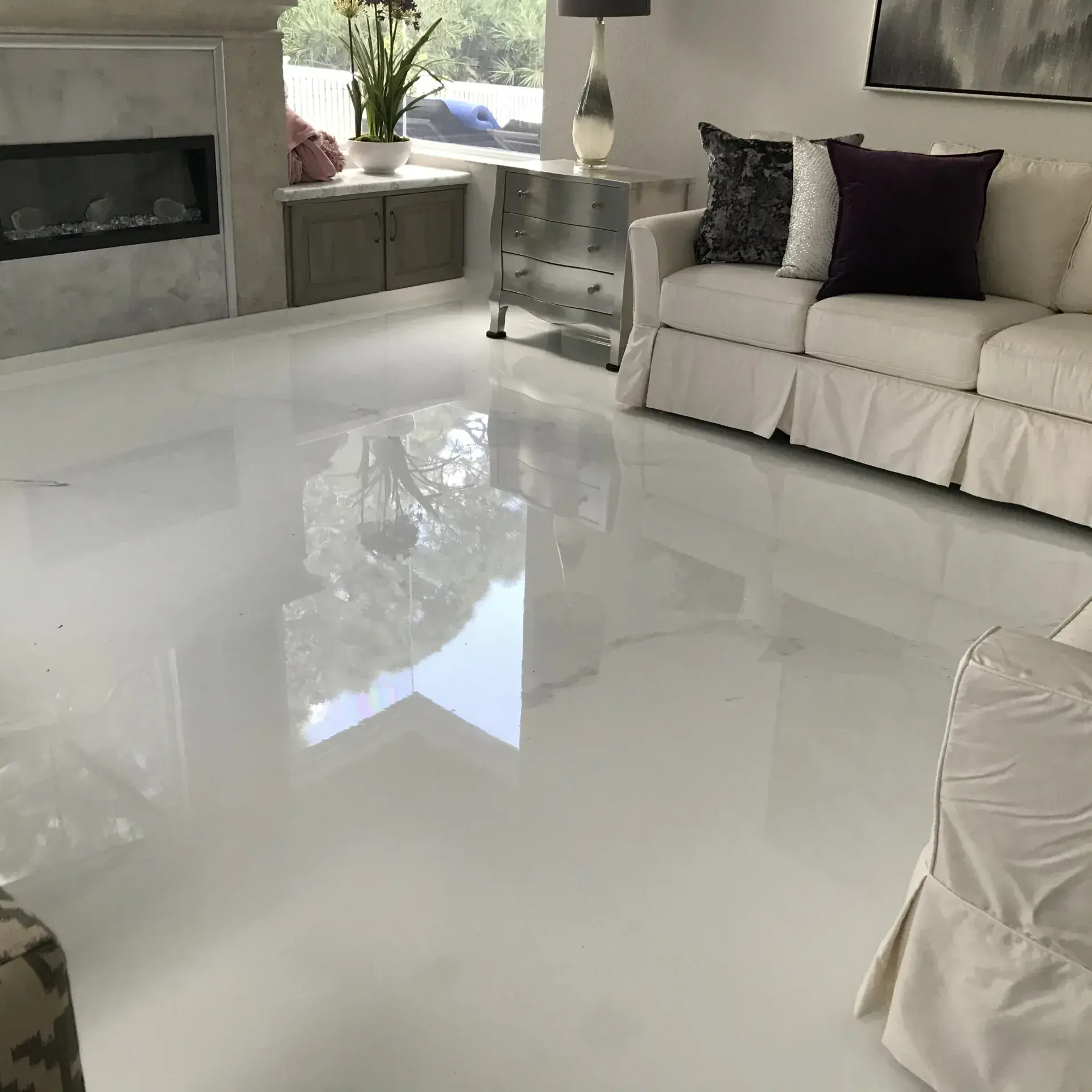
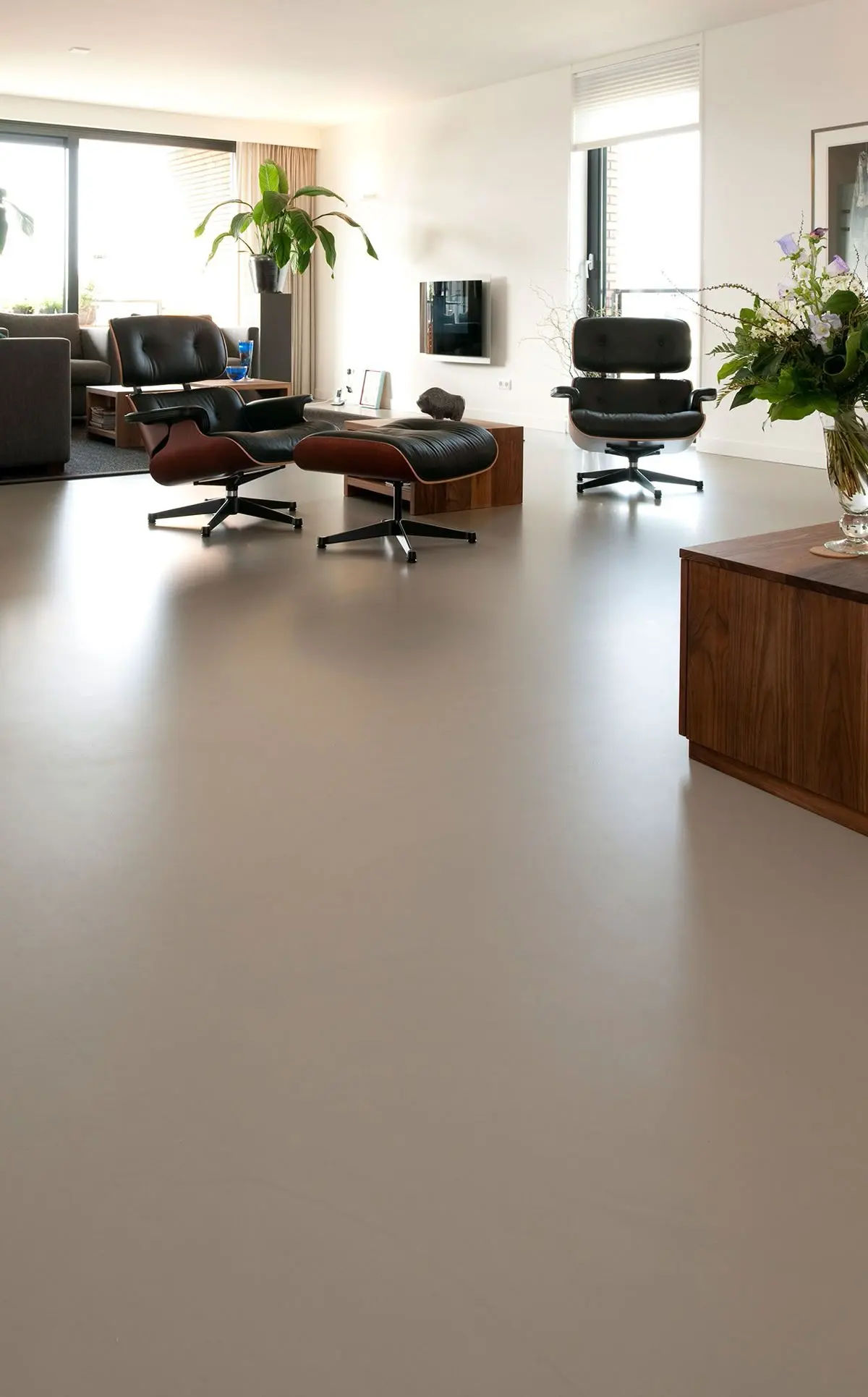
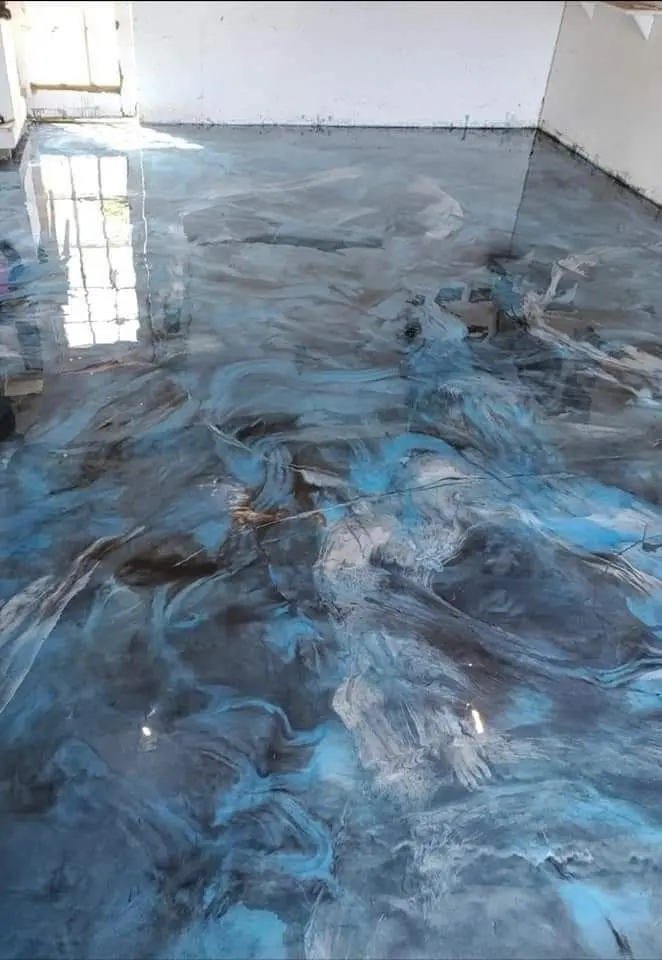
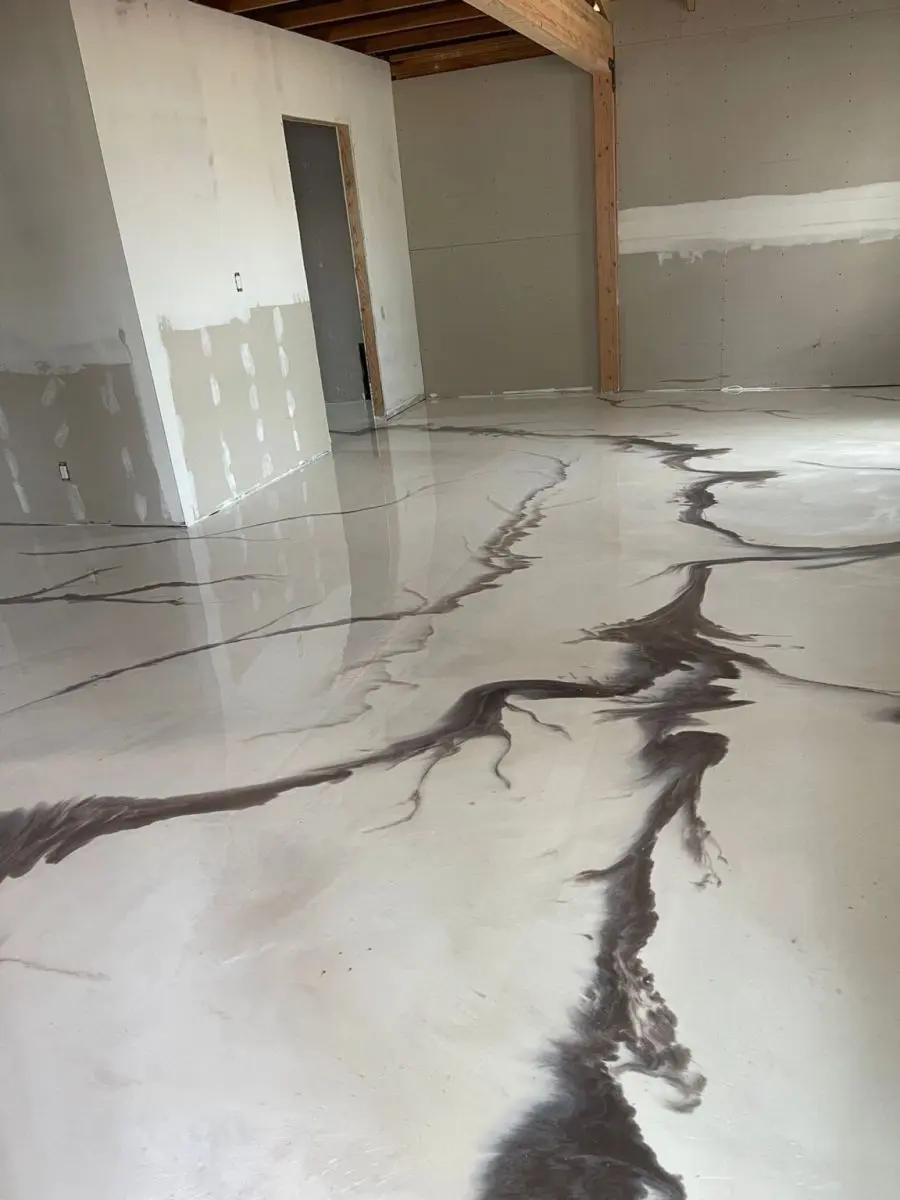
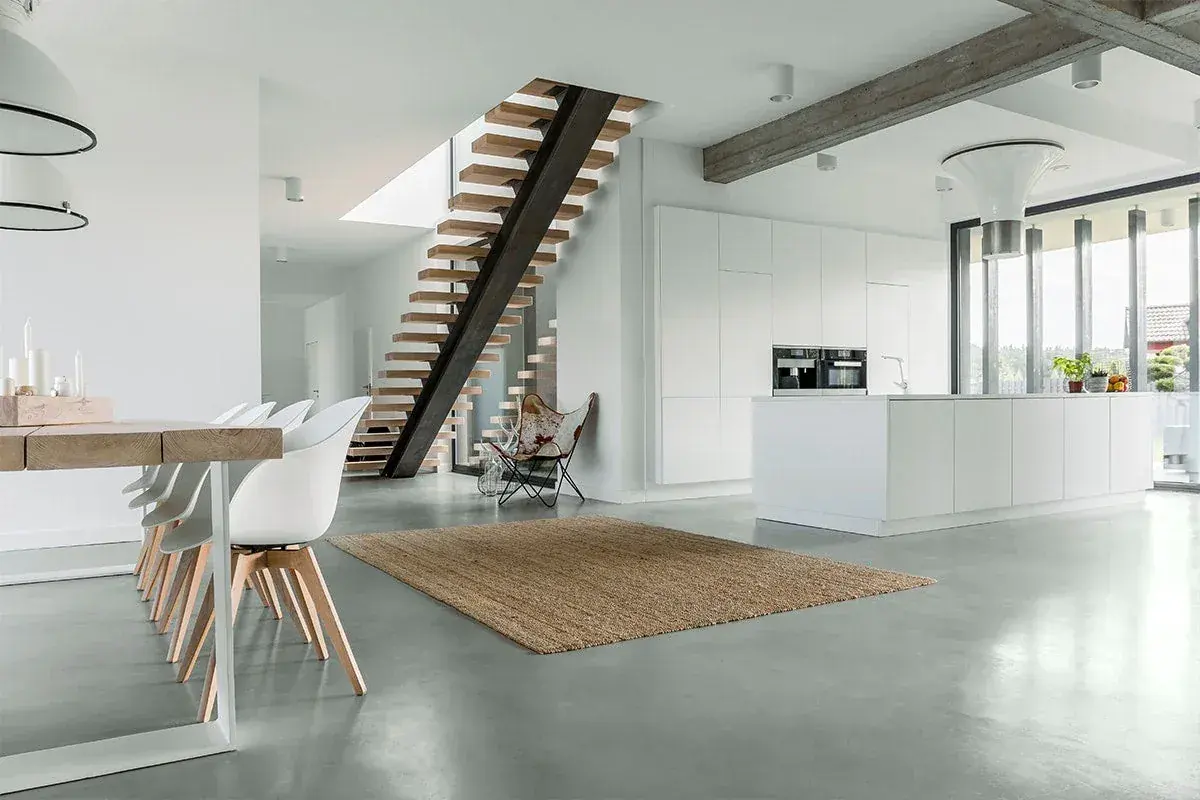
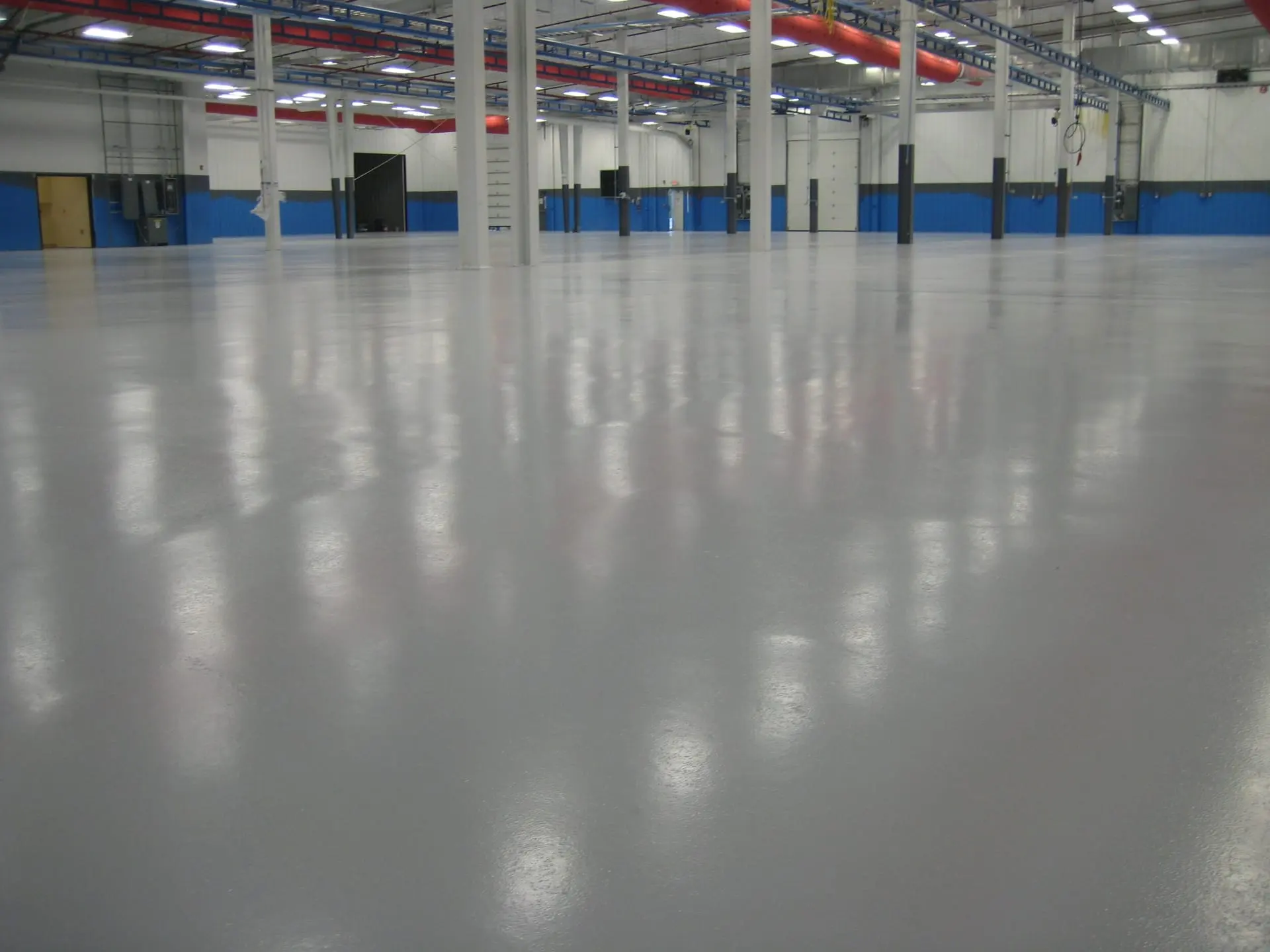
On concrete or screed that is ground, primed and levelled, an epoxy floor or polyurethane floor is poured as one continuous surface. A request from Huddersfield, Halifax or Holmfirth is passed to a West Yorkshire flooring company, which looks at the site if the job calls for it, quotes and then does the work. The finished floors under our work were all poured by EPOXIDOVO crews, though not in the UK.
We also take enquiries from the surrounding area, for example from Halifax, Holmfirth, Brighouse, Elland and Mirfield.
Who carries out the work?
We pass your enquiry on to a partner flooring company in your area, which prepares the quote and carries out the work. We’ll let you know whether we have a partner for you.
Chemical works and wet areas in textile mills
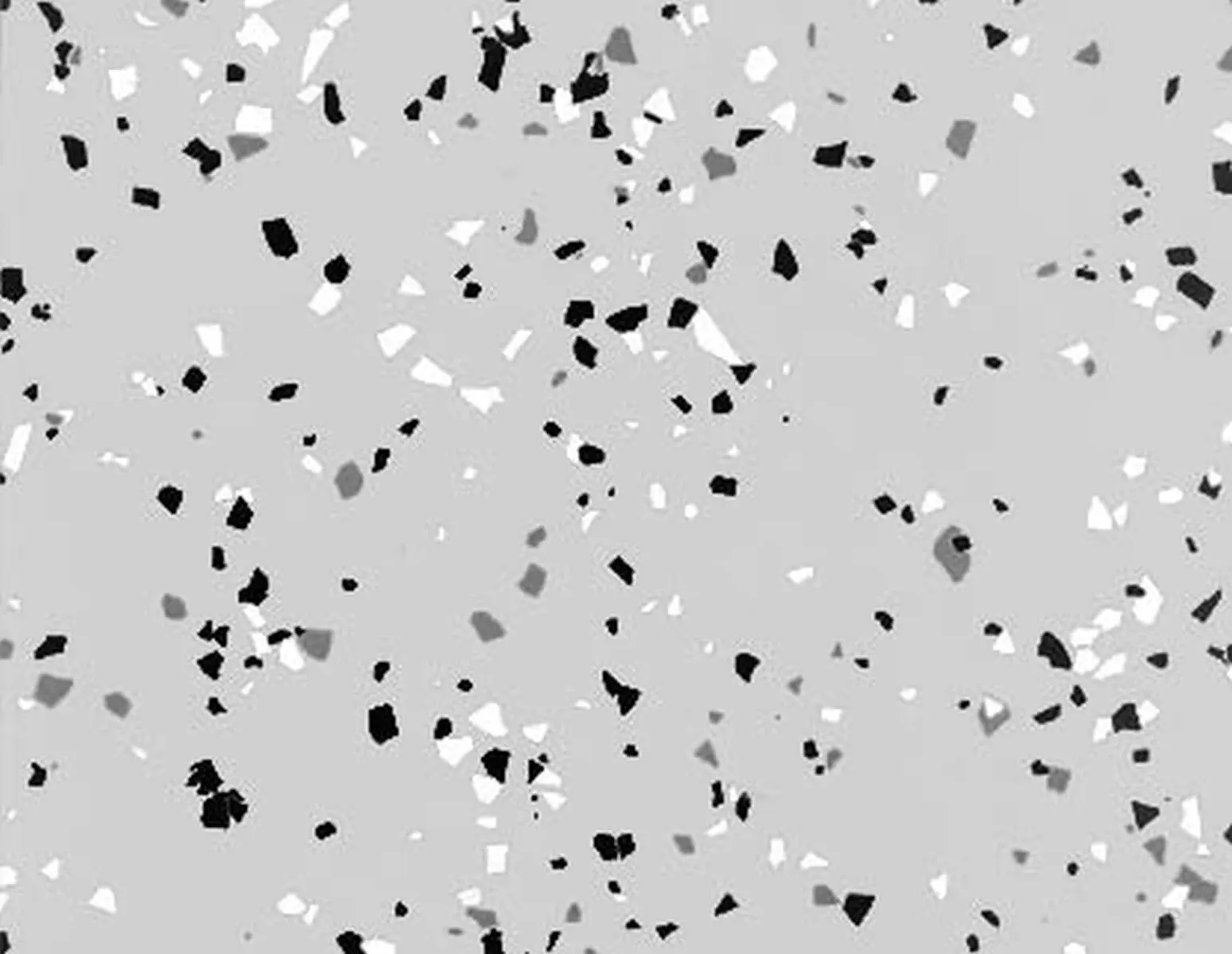
Chemical works handle solvents and powders, and where flammable vapours, gases or dust can collect, static becomes a hazard. Dissipative ATEX flooring uses conductive epoxy to carry the charge off, provided staff wear conductive shoes too. Elsewhere, industrial flooring in epoxy or polyurethane keeps chemical spills on the surface instead of letting them soak into the concrete. In mills where cloth is washed, dyed or finished, the floor is often wet, and an anti-slip floor with quartz sand gives surer footing.
Stone terraces, weavers’ cottages and mill flats
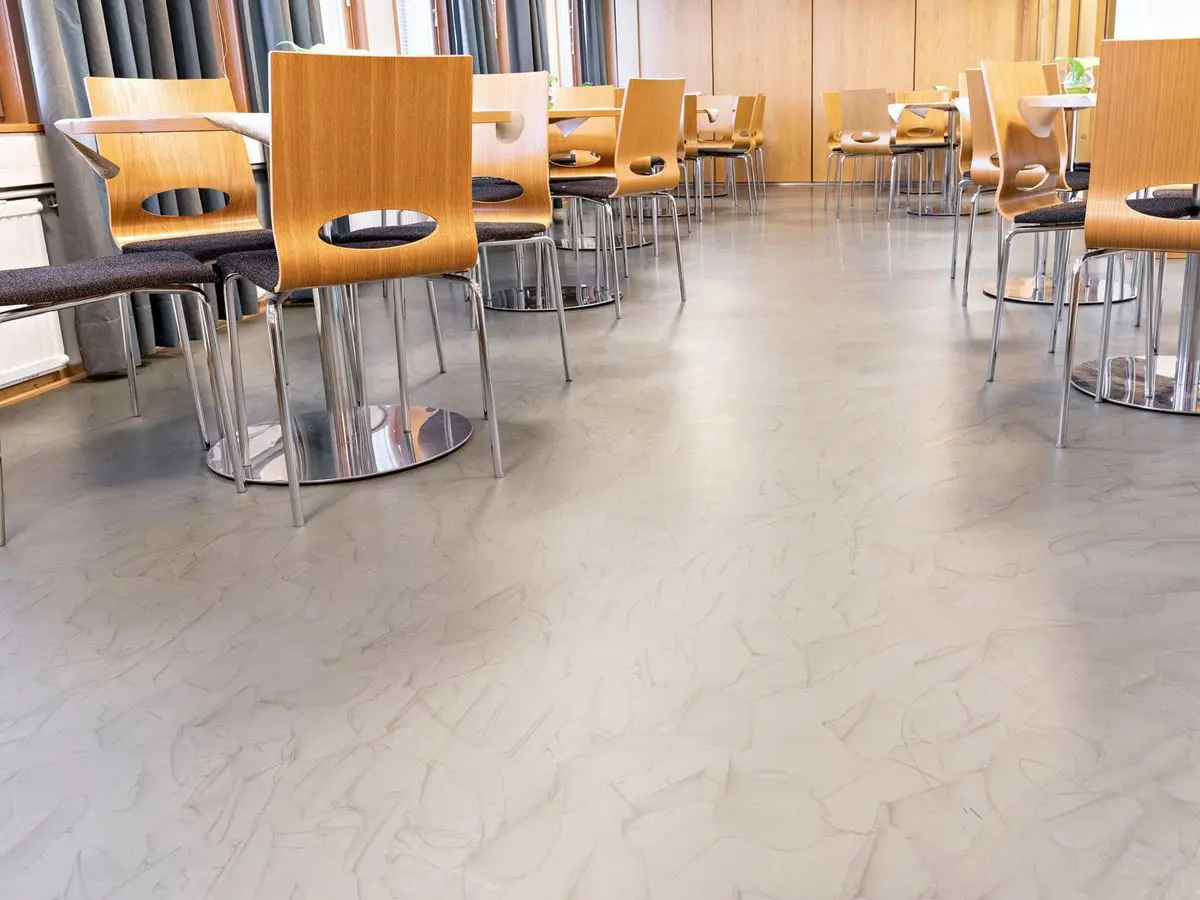
Stone terraced houses line many streets in Huddersfield and the Colne Valley villages, some of them old weavers’ cottages with long rows of upper windows. Older stone houses can suffer from damp, so moisture in the floor is measured before any primer. A flat in a converted mill suits polyurethane better than epoxy, being more flexible and better with UV. Velura has a silky matt surface and a subtle tone-on-tone pattern that sits well against bare stone.


Real experiences.
Frequently asked questions about resin flooring in Huddersfield
Will resin bond to the stone flags in an old Huddersfield or Holmfirth cottage?
Not directly. A resin floor goes onto a concrete slab or screed, and flags laid on earth can move and let damp through. They are usually lifted and a new, dry slab or screed is laid, then ground and primed. If you would rather keep the flags, choose another floor for that room.
Can part of a working chemical plant near Huddersfield get a new floor?
Yes. A factory and warehouse floor can be laid in sections, so production continues in the areas not being worked on. Each area is cleared, cleaned of chemical residue and ground back to sound concrete before priming, and in ATEX zones the plant’s own safety rules decide how the work is organised.
How is a resin kitchen floor in a Huddersfield terrace kept clean?
With a damp mop. A solid-colour floor has no grout lines, so crumbs and grease have nowhere to hide, and spills stay on top rather than soaking in. You can choose matt or gloss and a single shade to suit the room.
Resin flooring in other towns and cities
Leeds London Manchester Newcastle upon Tyne Birmingham Glasgow Liverpool Bristol Leicester Nottingham Belfast York See all towns and cities
Planning a resin floor in Huddersfield?
Tell us the floor area, the substrate and what the space is used for. We pass your enquiry on to a flooring company in your area and let you know whether we have a partner for you.